TUNICA-BILOXI TRIBE AND PARAGON CASINO RESORT MOBILIZE EMERGENCY SUPPORT FOR AVOYELLES PARISH RESIDENTS IMPACTED BY WEATHER

Tribe coordinates with state and local officials on recovery efforts; Paragon Casino Resort to provide meals and daily water deliveries to shelter locations.

The Tunica-Biloxi Tribe of Louisiana and Paragon Casino Resort announces emergency support for residents and families displaced by significant flooding caused by the remnants of Tropical Storm Arthur.

The Tribe has requested a State of Emergency Declaration and continues to coordinate with state and local officials regarding emergency response and recovery support. Following the severe flooding, Governor Jeff Landry personally reached out to Chairman Marshall Pierite to offer the State’s assistance and support recovery efforts in Avoyelles Parish. Tribal leadership then met with Governor Landry, and parish, state and Tribal officials discussed ongoing damage assessments, emergency shelter operations, infrastructure impacts and the coordination of available state resources to assist affected residents. The Governor’s Office, in coordination with Avoyelles Parish officials, will work to provide necessary resources through the Louisiana Department of Transportation and Development (DOTD), as well as implement mosquito abatement efforts as a precautionary measure following the flooding.

Residents are encouraged to limit outdoor activity during evening and nighttime hours when possible and to take appropriate precautions to protect their pets from increased mosquito activity. Governor Landry emphasized that state agencies will continue working alongside parish and Tribal leaders to identify immediate needs, streamline recovery efforts and ensure available assistance reaches impacted communities as quickly as possible. Residents are encouraged to report storm-related damage by visiting damage.la.gov to assist state and local officials in assessing impacts and coordinating recovery resources.

“We are doing everything we can at this current time to bring as much relief as we can,” said Governor Landry during a press conference. “The amount of rainfall was simply historic. … This is going to be a complete community effort and a neighborhood effort.”

“Our Tribe has always understood that we are part of a larger community, and in moments like this, we have a responsibility to step forward,” said Chairman Marshall Pierite of the Tunica-Biloxi Tribe of Louisiana. “Families across Avoyelles Parish are facing urgent needs, and we are committed to doing everything possible to help residents find support. We appreciate Governor Landry’s attention to this crisis and look forward to working with his administration, parish leaders and emergency response partners to ensure resources reach those who need them as quickly as possible.”

As recovery efforts continue across Avoyelles Parish, the American Red Cross is operating an emergency shelter at the Cochon de Lait Center, located at 1822 L’Eglise St. in Mansura, in response to widespread flooding caused by Tropical Storm Arthur. Tribal citizens in need of emergency assistance should refer to previously issued Tribal communications for designated emergency contact personnel and available resources. Paragon Casino Resort is also providing meal support and daily water deliveries to shelter locations to assist displaced individuals and families during the emergency response.

“Paragon Casino Resort is powered by this community, so when our neighbors are hurting, we are ready to serve,” said Marshall Ray Sampson, Sr., Vice Chairman of the Tunica-Biloxi Tribe and General Manager of Paragon Casino Resort. “Providing meals and water to shelter locations is a practical and immediate way we can help families who have been displaced. Our team is coordinating closely with Tribal leadership to make sure those impacted have food, shelter and people ready to support them.”

The Tunica-Biloxi Tribe and Paragon Casino Resort will continue monitoring resource needs, coordinating with state and local officials regarding the emergency declaration status and evaluating additional opportunities to support residents throughout the recovery process. As Avoyelles Parish begins to recover, the Tribe and Paragon remain committed to helping ensure impacted families have access to safety, food, water and support.

Residents are encouraged to follow all guidance from local emergency officials and avoid flooded roadways or unsafe areas. Individuals facing immediate danger should call 911.

###
DECLARATION OF STATE EMERGENCY by Chairman Marshall Pierite

WHEREAS, the Tunica-Biloxi Tribe of Louisiana is committed to protecting the health, safety, and welfare of its citizens, residents, employees, visitors, and tribal property; and

WHEREAS, the National Weather Service has issued a Flash Flood Warning and related flood advisories for portions of Avoyelles Parish, Louisiana, associated with heavy rainfall and flooding impacts resulting from Post-Tropical Storm Arthur;

Building from the Ground Up: How the Tunica-Biloxi Tribe Created a Thriving Rural Health Clinic

Direct Relief has partnered with the Tunica-Biloxi Tribe’s Health Department to install resilient power since 2024, delivering more than $514,000 in material support and grant and award funding to enhance the clinic’s wraparound services.

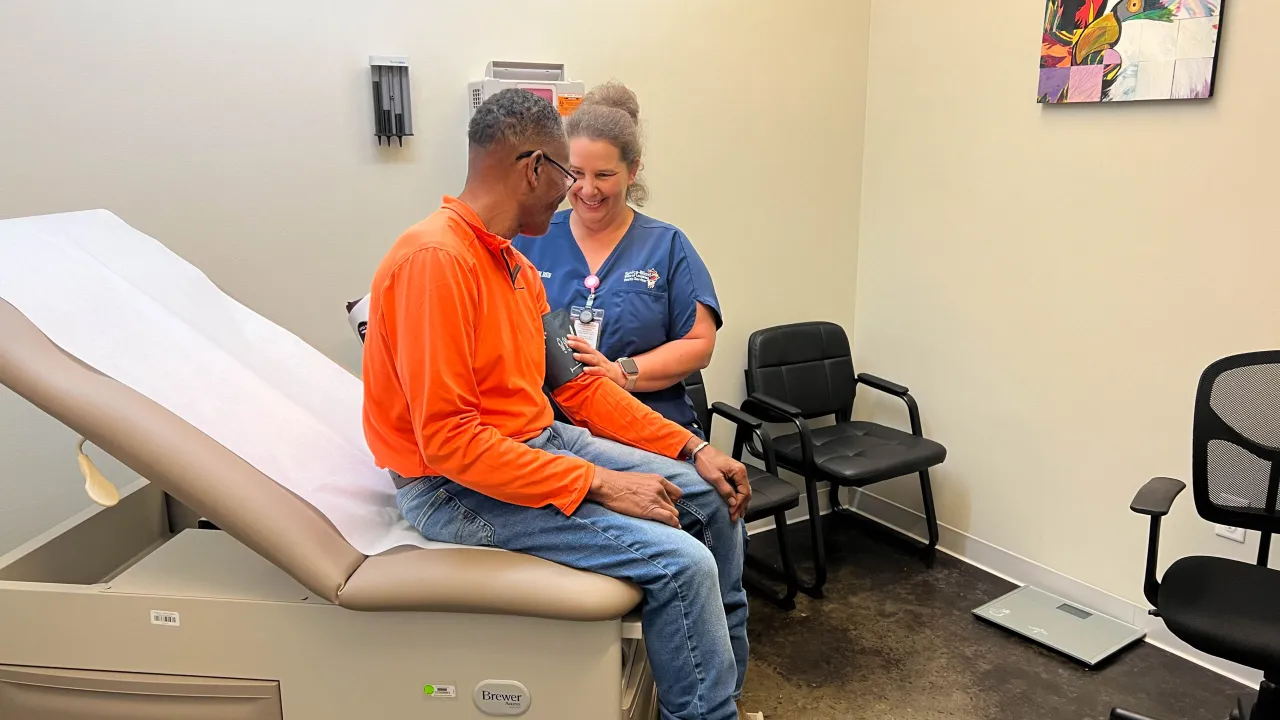
Today, a clinic founded by the Tunica-Biloxi Tribe of Louisiana’s Health Department serves 1,700 tribal members and more than 250 non-tribal patients. Wraparound services connect patients to nutrition assistance, case management, behavioral health services, and medical referrals, among other support.

Read More Here

Tunica-Biloxi Tribe Plants Longleaf Pines Through USET Conservation Grant

Agriculture, Maintenance and Water Management teams collaborate to support cultural preservation and environmental stewardship

For high-res photos, click here.


MARKSVILLE, La.
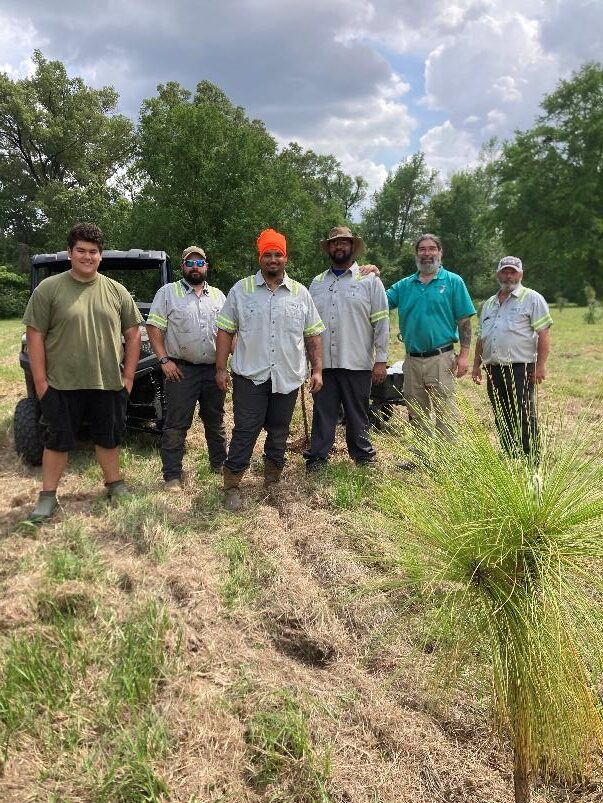
(April 23, 2026) The Tunica-Biloxi Tribe of Louisiana has successfully planted 300 longleaf pine trees on Tribal lands through a United South and Eastern Tribes (USET) Conservation Grant, reinforcing the Tribe’s commitment to environmental stewardship, cultural preservation and sustainable land management. 

Longleaf pine holds deep cultural and ecological significance for the Tunica-Biloxi Tribe. Traditionally, its needles have been used for basket weaving and other building materials, while its resin has served both construction and medicinal purposes. As a native species to Louisiana, Longleaf pine also plays a critical role in supporting the region’s ecosystem, providing habitat for wildlife, including the Gopher Tortoise, a species of conservation concern. 

In addition to longleaf pine, the Tribe continues to prioritize the restoration and preservation of native plants such as rivercane, which holds cultural importance for traditional basket weaving and other practices. These conservation efforts are closely tied to education initiatives that help pass down knowledge of the land and its resources to future generations.

The planting effort was made possible through the collaboration of the Tribe’s Agriculture and Maintenance Department and Water Management Department, whose teams worked together to plan and execute the project. Their dedication and hard work ensured the successful planting of all 300 trees.

“We are proud to continue investing in projects that honor our traditions while protecting and restoring our natural resources,” said Chairman Marshall Pierite. “This effort reflects our commitment to caring for the land in a way that benefits our community today and for generations to come.”

The longleaf pine planting also supports the Tribe’s broader focus on conservation education, including efforts to engage Tribal youth in agriculture and environmental stewardship. By connecting cultural knowledge with hands-on learning, these initiatives represent a long-term investment in the Tribe’s land and heritage, helping strengthen the next generation’s relationship with the land while providing benefits for years to come.

To learn more about the Tunica-Biloxi Tribe, visit https://www.tunicabiloxi.org/.


Media Contact: Lenox Hill; lhill@tegpr.com; (504) 352-5910

About the Tunica-Biloxi Tribe of Louisiana

The Tunica-Biloxi people first appeared in the Mississippi Valley. In the late 1700s, they settled near south of Marksville in east-central Louisiana. Today, the Tribe has more than 1,600 members throughout the United States, primarily in Louisiana, Texas, and Illinois. The modern Tunica-Biloxi Tribe is composed of Tunica, Biloxi (a Siouan-speaking people from the Gulf coast), Ofo (also a Siouan people), Avoyel (a Natchezan people), and Choctaw. Although ancestry is typically intermixed through marriages, tribal members typically identify either as Tunica, Biloxi or Biloxi-Choctaw. The Tribe owns and operates the Paragon Casino Resort, the largest employer in Central Louisiana. For more information about the Tunica-Biloxi Tribe of Louisiana, visit https://www.tunicabiloxi.org/ and “like” us on Facebook.

Tunica-Biloxi Tribe Re-Elects Chairman Marshall Pierite, New Council-at-Large Seats and Secretary-Treasurer

Tunica-Biloxi Chairman Marshall Pierite will begin a third term in his role, and is joined by one new
and one re-elected Tribal Council Member and newly-elected Secretary-Treasurer Shelbie Lyn Sampson

From left to right: Chairman Marshall Pierite, Shelbie Lyn Sampson, Bobby Pierite, Sr. and Harold Pierite, Sr.


MARKSVILLE, La. – April 7, 2026
 – The Tunica-Biloxi Tribe of Louisiana has announced the re-election of Marshall Pierite as Chairman in an election held April 5, 2026. Shelbie Lyn Sampson was elected Secretary-Treasurer; Incumbent Tribal Council Member Bobby Pierite, Sr., was reelected, and Harold Pierite, Sr., was newly elected as Tribal Council Member after serving the council previously.

“I am deeply grateful and honored that our Tribal citizens have placed their trust and confidence in me for a third term as Chairman,” said Tunica-Biloxi Chairman Marshall Pierite. “This responsibility is not mine alone—it reflects the hard work and dedication of our Tribal Council, our administration and the many individuals who work every day to turn our shared vision for the future into reality. Together, we remain focused on strengthening our Nation, expanding opportunities for our citizens and their families and ensuring that our progress benefits communities throughout Louisiana. As Chairman, I represent every citizen of the Tunica-Biloxi Tribe, and over the next four years I look forward to engaging more frequently with our citizens across all our communities, listening to their concerns and working together to build a stronger future for our people.”

Chairman Marshall Pierite, a proud United States Marine Corps veteran, has served the Tunica-Biloxi Tribe of Louisiana in multiple elected leadership roles for more than three decades, including Secretary-Treasurer, Vice Chairman and now a third term as Chairman. Throughout his tenure, he has championed initiatives that strengthen tribal governance, expand economic infrastructure and support programs that improve the quality of life for Tribal citizens. Chairman Pierite has been a strong advocate for Tribal sovereignty while fostering meaningful partnerships with federal leaders to advance shared prosperity and opportunity. In recognition of his leadership and service, he was named the Native American Finance Officers Association’s 2022 Tribal Leader of the Year. He also serves on numerous boards and currently holds the position of President of the Native American Coalition for Economic Prosperity (NACEP).

Newly elected Secretary-Treasurer Shelbie Lyn Sampson, a native of Marksville, Louisiana, is the youngest woman in the Tribe’s history to serve as Secretary/Treasurer. A Valedictorian graduate of Marksville High School, she earned a Bachelor of Science in Accounting from Louisiana State University and completed the Tribal Leaders Program at Harvard Business School. She is an active member of Alpha Kappa Alpha Sorority, Incorporated and has served the organization in various capacities. Sampson’s professional experience includes roles with Louisiana State University, Smoothie King Headquarters and the George W. Bush Presidential Center. In her current position, she brings strong expertise in financial management, operations and strategic planning, with a leadership approach grounded in ethical standards, transparency and accountability. She is committed to fostering partnerships and supporting sustainable growth while upholding the values of her community.

Bobby Pierite, Sr., an Associate Commissioner for the Tunica-Biloxi Tribal Gaming Commission, boasts over 24 years of service, overseeing the Licensing, Inspector General and Investigation Divisions. A Marksville native, Pierite graduated from Marksville High School and attended Louisiana State University at Alexandria. Beyond his professional commitments, Pierite is deeply involved in community service, serving as the Tribal Council Liaison to the Housing Department and as a Grand Knight for the Knights of Peter Claver. His dedication extends to addressing Native American issues today, reflecting a commitment to the well-being of the community.

Harold Pierite, Sr., a native of Avoyelles Parish, has served as Chief of Police for the Tunica-Biloxi Police Department for over 20 years and has held multiple law enforcement roles since 1991. Appointed in 2017 to the Louisiana State Police Commission, he also serves on several boards and has been a long-time member of the Tunica-Biloxi Tribal Council, last serving in 2022. Known for his disciplined, by-the-book leadership, Pierite was inducted into the Louisiana Justice Hall of Fame in 2022 – the organization’s highest honor.

“Congratulations to those elected and re-elected,” said Tunica-Biloxi Vice Chairman Marshall Ray Sampson, Sr. “Service to others through dedicated, honest leadership is critical to our Tribal Council and the health and longevity of our Tribe. I am confident the 2026 Tribal Council will bring Tunica-Biloxi to unprecedented success through open ears, open hearts and open minds.”

The Tunica-Biloxi 2026 Tribal Council is completed by current Vice Chairman Marshall Ray Sampson, Sr., and Tribal Council Members Dr. Julie Zahn and James Craig, III. Tunica-Biloxi tribal citizens participate in biannual elections to select the seven-member, and four-year term Tribal Council, with the Chairman and Vice Chairman positions alternating election cycles.

To learn more about the Tunica-Biloxi Tribe, visit https://www.tunicabiloxi.org/.


About the Tunica-Biloxi Tribe of Louisiana

The Tunica-Biloxi people first appeared in the Mississippi Valley. In the late 1700s, they settled near south of Marksville in east-central Louisiana. Today, the Tribe has more than 1,600 members throughout the United States, primarily in Louisiana, Texas, and Illinois. The modern Tunica-Biloxi Tribe is composed of Tunica, Biloxi (a Siouan-speaking people from the Gulf coast), Ofo (also a Siouan people), Avoyel (a Natchezan people), and Choctaw. Although ancestry is typically intermixed through marriages, tribal members typically identify either as Tunica, Biloxi or Biloxi-Choctaw. The Tribe owns and operates the Paragon Casino Resort, the largest employer in Central Louisiana. For more information about the Tunica-Biloxi Tribe of Louisiana, visit https://www.tunicabiloxi.org/ and “like” us on Facebook.

Media Contact: Lenox Hill; lhill@tegpr.com; (504) 352-5910

Native American Coalition for Economic Prosperity Convening Brings Tribal, Federal, and Industry Leaders Together in Washington

Tribal leaders, federal officials, and private-sector partners meet in Washington to advance economic sovereignty, infrastructure investment, and new partnerships across Indian Country.

Click here for photos from the event

WASHINGTON—(March 9th, 2026): Tunica-Biloxi Tribal leaders, senior federal officials, and private-sector partners convened in Washington for a government-to-government roundtable hosted by the Native American Coalition for Economic Prosperity (NACEP), advancing a national dialogue focused on economic sovereignty, infrastructure investment, and expanded partnerships across Indian Country.

The roundtable brought together Tribal Nations, federal agencies, and industry leaders to explore collaborative strategies to strengthen Tribal economies, expand access to capital, and accelerate infrastructure development in Tribal communities. The event featured remarks from federal leaders across the U.S. Department of the Interior, the Department of Health and Human Services, and the U.S. Department of Housing and Urban Development, along with Tribal leaders and economic development experts.

Keynote remarks were delivered by Billy Kirkland, assistant secretary for Indian Affairs at the U.S. Department of the Interior, alongside remarks from Ken Bellmard, deputy assistant secretary for Indian Affairs for Policy and Economic Development; U.S. Treasurer Brandon Beach; Mark Cruz, senior advisor to the secretary of Health and Human Services; Kim Koval, acting commissioner of the Administration for Native Americans; Sebastian Jano, senior investment advisor to the Department of Energy’s Office of Energy Dominance Financing; and Tonya Plummer, director of the Office of Loan Guarantee in HUD’s Office of Native American Programs. The agenda also included presentations from private-sector partners and Tribal enterprises on housing development, infrastructure financing, and Tribal economic opportunity, as well as closing remarks from political strategist Roger Stone. 

NACEP is a national coalition dedicated to advancing long-term, sustainable economic growth throughout Indian Country. The coalition works to align Tribal governments, federal partners, and private-sector stakeholders around investment-ready projects and policy solutions that drive measurable results. Its efforts center on expanding capital pathways and supporting transformative initiatives in infrastructure, housing, workforce development, and emerging industries within Tribal communities.

The organization’s leadership includes Tribal leaders from across the country, including Chairman Calvin Johnson of the Tonto Apache Tribe serving as vice president, Chairperson Elizabeth Hutchins of Big Sandy Rancheria serving as secretary, President Anthony Reider of the Flandreau Santee Sioux Tribe serving as treasurer, and Chairman John Lowery of the Lumbee Tribe serving as council member-at-large.

During opening remarks, NACEP President and Tunica-Biloxi Tribe of Louisiana Chairman Marshall Pierite emphasized that the coalition represents a growing movement to strengthen Tribal economic sovereignty through collaboration between Tribal Nations, federal partners, and private industry.

“Today is not just another meeting—today is the continuation of a movement,” Pierite said. “Through NACEP, we are working to connect Tribal Nations with partners in industry, bring affordable capital to the table, and invest in infrastructure so Indian Country can lead in the next economic era not as spectators, but as builders and leaders. We’re taking our destiny into our own hands and bringing others along with us.”

The Tunica-Biloxi Tribe of Louisiana, which helped spearhead the formation of NACEP and continues to host national convenings in Washington, has positioned economic development as a foundation of its long-term strategy to strengthen Tribal sovereignty and opportunity for its citizens.

The Tribe’s economic development efforts span several sectors, including hospitality and gaming, federal contracting, infrastructure development, and emerging technology and energy investments. Through its enterprises and partnerships, the Tribe continues to expand its economic footprint while creating jobs and generating revenue to support Tribal programs and services.

A cornerstone of this strategy is TBI Federal, a Tribal entity that provides services and solutions to federal agencies. Through its government contracting operations, TBI Federal expands the Tribe’s presence in federal markets, strengthens workforce capacity, and creates career pathways for Tribal citizens.

In addition, Tribal leaders are exploring opportunities to partner with industry on data center development, energy infrastructure projects, and large-scale housing initiatives, all of which are increasingly seen as strategic opportunities for Tribal Nations with available land, sovereign authority, and proximity to growing infrastructure networks.

Pierite emphasized that Tribal Nations are uniquely positioned to contribute to the country’s evolving economy.

“Indian Country is not only helping rebuild America’s economy; we are helping lead the way,” he said.

Throughout the convening, Tribal leaders and federal officials emphasized the importance of moving from policy discussions toward real-world projects that generate economic opportunity and strengthen Tribal self-determination.

Participants discussed strategies to expand public-private partnerships, increase financing opportunities for Tribal development, and ensure Tribal governments are positioned to participate in major infrastructure and economic initiatives shaping rural America.

Pierite encouraged participants to use the convening as a catalyst for action.

“When we leave Washington,” he said, “let us leave with partnerships formed, projects started, and a renewed commitment to economic sovereignty.”


About the Native American Coalition for Economic Prosperity

The Native American Coalition for Economic Prosperity (NACEP) is a national, nonpartisan coalition of Tribal Nations, federal partners, and private sector leaders working together to strengthen economic sovereignty across Indian Country. NACEP exists to ensure that Tribal Nations are not a side note in America’s economic story, but a driving force at the center of it. Our work focuses on real collaboration, practical solutions, and long-term prosperity for Native communities. For more information about NACEP, visit www.nacep.info

About the Tunica-Biloxi Tribe of Louisiana

The Tunica-Biloxi people first appeared in the Mississippi Valley. In the late 1700s, they settled near south of Marksville in east-central Louisiana. Today, the Tribe has more than 1,600 members throughout the United States, primarily in Louisiana, Texas, and Illinois. The modern Tunica-Biloxi Tribe is composed of Tunica, Biloxi (a Siouan-speaking people from the Gulf coast), Ofo (also a Siouan people), Avoyel (a Natchezan people), and Choctaw. Although ancestry is typically intermixed through marriages, tribal members typically identify either as Tunica, Biloxi or Biloxi-Choctaw. The Tribe owns and operates the Paragon Casino Resort, the largest employer in Central Louisiana. For more information about the Tunica-Biloxi Tribe of Louisiana, visit https://www.tunicabiloxi.org/ and “like” us on Facebook.

Media Contact: Katie Babin, kbabin@tegpr.com, 504-939-4858

Honoring Legacy, Celebrating Culture: Tribe announces 28th Tunica-Biloxi Pow Wow honoring John D. Barbry in Marksville, LA

A weekend celebration of Native culture, tradition, and community at one of Louisiana’s premier cultural events.

For high-res photos of the 2025 Pow Wow, click here.

MARKSVILLE, La.  (February 20, 2026)  The Tunica-Biloxi Tribe of Louisiana will host its 28th Tunica-Biloxi Pow Wow, Honoring John D. Barbry, on May 16 and 17, 2026, at the Earl J. Barbry Sr. Convention Center at Paragon Casino Resort in Marksville, Louisiana. This annual public event brings together Indigenous tribes and visitors from across the region to celebrate Native American culture and heritage. Throughout the weekend, attendees will experience vibrant dance competitions, powerful drum performances, and cultural demonstrations that honor the traditions uniting Tribal communities.

“The Pow Wow is a sacred time for our Tribe, a time to gather in unity, reflect on the strength and resilience of our people, and celebrate the spirit that connects Native communities across generations,” said Tunica-Biloxi Chairman Marshall Pierite. “As we host the John Barbry Memorial Pow Wow, we do so with gratitude and remembrance, honoring John’s legacy and all those we have lost who helped shape our path forward. When we come together in song, dance, and prayer, we reaffirm who we are as a people and ensure that our traditions continue to live on for future generations.”

This year’s Pow Wow will be led by an outstanding lineup of host and invited drums, including Southern Host Drum Pawnee Yellow Horse and Northern Host Drum Meskwaki Nation, along with Southern Invited Drum Ottertrail and Northern Invited Drum Mato Pejuta. Hokah Sound will provide sound for the weekend, helping set the rhythm for two days of celebration. Dance competitions will be held for participants from ages 6 to 55+, and dancers can pre-register for the event by May 16, 2026. The Pow Wow will also host over 30 food and craft vendors, offering traditional foods, indigenous arts, jewelry and handmade crafts. Vendors interested in participating are encouraged to contact Paulette Voiselle – pvoiselle@tunica.org or (800) 272-9767. 

In addition to the weekend festivities, the Tribe will host a free Education Day on Friday, May 15, 2026, at the Earl J. Barbry Sr. Convention Center at Paragon Casino Resort. Two presentations will be offered at 9 a.m. and 11 a.m., providing local students and school groups with an interactive introduction to Native American culture. The program will feature Pow Wow dance demonstrations, traditional storytelling, and engaging cultural exhibits designed to deepen understanding and appreciation of Tribal heritage. For more information or to register a school group, contact Elisabeth Pierite at Elisabeth.pierite@tunica.orgor (318) 240-6432.

General Admission for the 2026 Pow Wow is $8.00 for adults, $5.00 for children between twelve and five years of age, and free for children under the age of five. Registered dancers will be admitted with assigned numbers. The Pow Wow doors open at 10:00 a.m. on Saturday and 10:00 a.m. on Sunday.

To learn more about the Tunica-Biloxi Tribe of Louisiana, visit https://www.tunicabiloxi.org/.


About the Tunica-Biloxi Tribe of Louisiana

The Tunica-Biloxi people first appeared in the Mississippi Valley. In the late 1700s, they settled near south of Marksville in east-central Louisiana. Today, the Tribe has more than 1,600 members throughout the United States, primarily in Louisiana, Texas, and Illinois. The modern Tunica-Biloxi Tribe is composed of Tunica, Biloxi (a Siouan-speaking people from the Gulf coast), Ofo (also a Siouan people), Avoyel (a Natchezan people), and Choctaw. Although ancestry is typically intermixed through marriages, tribal members typically identify either as Tunica, Biloxi or Biloxi-Choctaw. The Tribe owns and operates the Paragon Casino Resort, the largest employer in Central Louisiana. For more information about the Tunica-Biloxi Tribe of Louisiana, visit https://www.tunicabiloxi.org/ and “like” us on Facebook.

Tunica-Biloxi Tribe of Louisiana Mourns Passing of John D. Barbry, Cultural Leader and Champion of Tribal Heritage

Historian, cultural advocate and longtime Pow Wow chairman shaped generations of Tunica-Biloxi citizens.

MARKSVILLE, La. – The Tunica-Biloxi Tribe of Louisiana is mourning the passing of John D. Barbry, a revered tribal citizen, cultural leader, historian and advocate whose life’s work helped shape the identity, continuity and future of the Tunica-Biloxi people. His passing is a significant loss to the Tribe and to Indian Country.

Barbry was a pillar of the Tunica-Biloxi Nation and a respected figure throughout the Pow Wow circuit and Native communities nationwide. Since 1995, he served as chairman of the Tunica-Biloxi Pow Wow Committee, helping to create and sustain one of the Tribe’s most significant cultural traditions. Under his leadership, the Tunica-Biloxi Pow Wow grew into an annual gathering that brings together tribes from across the United States to share traditions, strengthen relationships and celebrate Native culture.

Barbry dedicated his professional career to preserving and strengthening tribal culture and education. As Director of Development and Programming for the Tunica-Biloxi Tribe, he oversaw the Language and Culture Revitalization Program and, since 2016, the Education Department. His work focused on protecting the Tunica and Biloxi languages, advancing cultural lifeways and ensuring tribal youth have the resources needed to succeed academically and beyond.

“John Barbry was one of the most important cultural leaders our Tribe has ever known,” said Chairman Marshall Pierite. “He was deeply articulate, thoughtful and driven by a genuine passion for our culture and traditions. John carried our history and language with care, humility and responsibility, and one of his greatest honors was being able to share that knowledge with others — especially over the last generation. He understood that culture is not something we simply remember, but something we must live, practice and pass forward. Our Tribe, and Indian Country, are stronger today because of his lifelong dedication and service. He will truly be missed.”

Barbry oversaw the Tunica Language Apprenticeship Program, which trains tribal members to become fluent speakers and instructors. The program was supported by a grant from the Administration for Native Americans, secured through Barbry’s leadership and grant development efforts. He also led cultural initiatives including the Tunica-Biloxi Language and Culture Summer Camp and community workshops focused on traditional crafts, songs and storytelling.

Barbry also forged key partnerships to expand access to cultural resources. He led the program’s collaboration with the American Philosophical Society on the Indigenous Language Manuscript Interface project, an archives-based, open-source platform allowing researchers and tribal citizens to view digitized manuscripts in endangered languages, including Tunica language notebooks from the 1930s.

His contributions extended beyond the reservation. In 1987, Barbry assisted with cataloging the historic “Tunica Treasure” following its repatriation to the Tribe, a defining moment in the reclamation of Tunica-Biloxi heritage. In 1988, he served as research supervisor in the manuscripts division at The Historic New Orleans Collection. In 1993, he became the first Native American-appointed archivist at the Smithsonian Institution’s National Museum of the American Indian.

In addition to his cultural and academic work, Barbry brought more than 20 years of experience in casino marketing and management in Louisiana and California, applying that expertise to strengthen tribal institutions and programs, including at the Tunica-Biloxi-owned Paragon Casino Resort. He also worked to secure multiple education grants to expand tutoring, counseling and student support services, including efforts to ensure tribal students had access to learning resources during the COVID-19 pandemic.

In recognition of his extraordinary impact, the Louisiana Endowment for the Humanities named Barbry the 2022 Champion of Culture and appointed him as a board member in 2023, honoring his lifelong dedication to protecting and promoting Louisiana’s cultural resources and Native heritage.

Barbry earned a bachelor’s degree in music education from McNeese State University and a master’s degree in history from the University of New Orleans. His legacy lives on through the language he helped preserve, the youth he mentored and the traditions he safeguarded.

The Tunica-Biloxi Tribe of Louisiana extends its deepest condolences to Barbry’s family, friends, colleagues and all who mourn his passing. His leadership, integrity and devotion to the Tunica-Biloxi people will be felt for generations.

Information on memorial arrangements will be shared when available.

###

About the Tunica-Biloxi Tribe of Louisiana

The Tunica-Biloxi people first appeared in the Mississippi Valley. In the late 1700s, they settled near south of Marksville in east-central Louisiana. Today, the Tribe has more than 1,600 members throughout the United States, primarily in Louisiana, Texas, and Illinois. The modern Tunica-Biloxi Tribe is composed of Tunica, Biloxi (a Siouan-speaking people from the Gulf coast), Ofo (also a Siouan people), Avoyel (a Natchezan people), and Choctaw. Although ancestry is typically intermixed through marriages, tribal members typically identify either as Tunica, Biloxi or Biloxi-Choctaw. The Tribe owns and operates the Paragon Casino Resort, the largest employer in Central Louisiana. For more information about the Tunica-Biloxi Tribe of Louisiana, visit https://www.tunicabiloxi.org/ and “like” us on Facebook.

Tunica-Biloxi Tribe Spearheads Launch of the Native American Coalition for Economic Prosperity (NACEP)

Chairman Marshall Pierite Unanimously Elected President of the New National Coalition Following High-Level Government-to-Government Roundtable in Washington, D.C.

For high resolution photos, click here.

Washington, D.C. – Last month, more than 100 Tribal leaders, federal officials and national partners gathered in the nation’s capital for the third convening of the Government-to-Government Roundtable Series: Protecting, Preserving & Strengthening Tribal Sovereignty, hosted by the Tunica-Biloxi Tribe of Louisiana. 

This convening marked a defining milestone for Indian Country with the official launch of the Native American Coalition for Economic Prosperity (NACEP) – a national, nonpartisan Tribal-led coalition initiated by Chairman Marshall Pierite of the Tunica-Biloxi Tribe of Louisiana, who was unanimously elected to serve as its first President. 

Additional elected officers include:

  • Vice President: Honorable Chairman Calvin Johnson, Tonto Apache Tribe
  • Secretary: Honorable Chairperson Elizabeth Hutchins, Big Sandy Rancheria 
  • Treasurer: Honorable President Anthony Reider, Flandreau Santee Sioux Tribe 

More than 40 Tribal Nations were represented at the two-day convening, joined by leaders from the Administration and private-sector partners committed to advancing economic sovereignty and long-term development across Indian Country.

November 6 Government-to-Government Roundtable & Luncheon

Chairman Pierite opened the convening by reflecting on the journey that began with the first roundtable held on the Tunica-Biloxi Reservation in June, followed by a second gathering in Washington, D.C. in July, noting how what began as a conversation has now transformed into a coordinated national effort.

Throughout the day, Tribal leaders engaged in open, candid dialogue about the challenges facing their communities and the shared opportunities ahead.

“We gather today at a crossroads—a moment when America is searching for renewal and strength. Tribal Nations are not a footnote to that story. We are the key to it,” Chairman Pierite said.

He publicly thanked members of the Administration who attended despite the ongoing federal shutdown, acknowledging that while their subject-matter experts were unavailable, their presence demonstrated dedication and partnership.

“We are not here to stand on the sidelines to criticize and hope for the best. We are here to help rebuild. We are here to be partners in transformation,” said Pierite.

Continuing the discussions, leaders participated in a Luncheon featuring remarks and participation from Alex Meyer, Director of White House Intergovernmental Affairs.


The luncheon served as an open forum where Tribal leaders shared priorities, highlighted urgent needs and reinforced a united commitment to expanding economic prosperity across Indian Country. The dialogue reflected the collaborative spirit behind the newly formed coalition and its growing partnership with federal leadership.

A Shared Economic Moment

Throughout the convening, speakers underscored that the United States is experiencing a historic economic shift—regulatory reform, rebuilding supply chains, expanding energy production and unprecedented momentum for Tribal-led development.

Chairman Pierite emphasized that Indian Country is uniquely positioned to lead during this pivotal period:

“We say we will participate. We say we will lead. We say we will build. We have land. We have sovereignty. We have resilience. And we have vision.”

He reiterated that unity—not competition—will define the next chapter of Tribal economic sovereignty.

Launching the Native American Coalition for Economic Prosperity (NACEP)

With the formal establishment of NACEP, Tribal Nations affirmed their commitment to a unified, forward-looking national economic strategy. Chairman Pierite stressed that the coalition’s mission transcends political cycles:

“This coalition is not about red or blue, left or right. It is about sovereignty, self-determination, and unity of purpose. It is about building something that outlasts any political climate.”

NACEP’s Four Core Objectives

  • Strengthen Tribal sovereignty through economic development and inter-tribal commerce.
  • Promote the common welfare of Native Nations through coordinated policy advocacy and collaboration.
  • Establish sustained coordination between Tribal governments, federal agencies and responsible private-sector partners to expand access to capital, investment tools and workforce development.
  • Create jobs, revenue and long-term economic growth through real, actionable projects rooted in Tribal priorities.

Pierite highlighted that the Tunica-Biloxi Tribe has served as the catalyst for the coalition’s formation and noted that Tribal Nations are poised to play a central role in America’s economic future:

“When the Administration speaks of rebuilding infrastructure, expanding energy, strengthening small businesses and creating jobs, we say: Look to Native American Tribes. We can be the solution to America’s problems.”

November 6 Evening Reception

The day concluded with an evening reception that brought together Tribal leaders, federal partners and national allies—including honored guest, United States Secretary of Health and Human Services, Robert F. Kennedy, Jr.; Treasurer of the United States, Brandon Beach; and Congressman Nick Begich.

The reception provided an opportunity for continued discussion and relationship-building following the formal sessions. Chairman Pierite highlighted the unity and momentum emerging from the roundtable:

“This is our time. This is our season. The opportunity before us is real, the moment is now, and we are ready. When Tribes thrive, communities thrive—and when we work together in trust and transparency, we all rise.”

November 7 White House Meeting

The following morning, Chairman Pierite and the newly formed Native American Coalition for Economic Prosperity (NACEP) were invited to the White House for a summit with Vice President JD Vance.

Chairman Pierite provided remarks about the purpose of the coalition and the importance of working collaboratively with the Administration to advance the goals of Native American Tribes. He was also honored to introduce the Vice President, who emphasized the Administration’s commitment to strong, solution-driven partnerships with Tribal Nations.

“You will always have allies in the West Wing,” Vice President Vance said. “From the President to the Vice President, our vision is to empower Tribal Nations to build in ways America has never built before.”

The Vice President personally greeted every Tribal leader in attendance, demonstrating the Administration’s willingness to listen, learn, and engage directly with Indian Country.

Next Steps for NACEP

Under Chairman Pierite’s leadership, NACEP will begin:

  • Establishing regional working groups
  • Developing national policy priorities
  • Launching capacity-building initiatives
  • Facilitating inter-tribal commerce and high-impact partnerships
  • Strengthening coordination with federal agencies and responsible industry partners

NACEP’s mission is clear: to accelerate economic growth, expand opportunity and strengthen sovereignty for Tribal Nations across the United States—now and for generations to come.

More information on the Tunica-Biloxi Tribe of Louisiana can be found at https://www.tunicabiloxi.org/. Information regarding NACEP can be acquired by emailing info@tunica.org

About the Tunica-Biloxi Tribe of Louisiana

The Tunica-Biloxi people first appeared in the Mississippi Valley. In the late 1700s, they settled near south of Marksville in east-central Louisiana. Today, the Tribe has more than 1,600 members throughout the United States, primarily in Louisiana, Texas, and Illinois. The modern Tunica-Biloxi Tribe is composed of Tunica, Biloxi (a Siouan-speaking people from the Gulf coast), Ofo (also a Siouan people), Avoyel (a Natchezan people), and Choctaw. Although ancestry is typically intermixed through marriages, tribal members typically identify either as Tunica, Biloxi or Biloxi-Choctaw. The tribe owns and operates the Paragon Casino Resort, the largest employer in Central Louisiana. For more information about the Tunica-Biloxi Tribe of Louisiana, visit https://www.tunicabiloxi.org/ and “like” us on Facebook.

About the Native American Coalition for Economic Prosperity (NACEP)

The Native American Coalition for Economic Prosperity is a national, nonpartisan coalition of Tribal Nations, federal partners and private-sector leaders working collaboratively to strengthen economic sovereignty, expand development opportunities and build long-term prosperity across Indian Country. NACEP is committed to education, advocacy, partnership building and ensuring that Tribal Nations remain central to America’s economic future.

Tunica-Biloxi Tribe of Louisiana and Louisiana State University of Alexandria Unite Goals Through New Partnership Agreement

ALEXANDRIA, La. – The Tunica-Biloxi Tribe of Louisiana and Louisiana State University of Alexandria (LSUA) signed a Memorandum of Understanding that will expand economic growth and research opportunities for both institutions. The five-year agreement will support the Tribe’s mission of developing educational opportunities for tribal members and provide vital workforce development resources for its 1,700 citizens nationwide.

“Education has always been a cornerstone of our Tribe’s vision for progress, sovereignty and innovation,” said Tunica-Biloxi Chairman Marshall Pierite. “Partnering with LSUA allows us to open more doors for our citizens and the community, ensuring that learning, leadership and cultural pride go hand in hand.”

The Tunica-Biloxi Tribe has long demonstrated a commitment to educational and community advancement through programming and partnerships. Through the combined efforts of the Tribe and LSUA to expand access to research and workforce opportunities, the MOU will benefit students, tribal citizens and the entire Central Louisiana region.

The agreement also promises academic opportunities for traditional students through first generation scholarships, in addition to continuing education for adult learners. Faculty, staff and students are encouraged to partner with members of the Tribe to advance collaborative efforts.

“We are honored to formalize this partnership with the Tunica-Biloxi Tribe of Louisiana,” said LSUA Chancellor Dr. Paul Coreil. “This MOU reinforces LSUA’s commitment to collaborating and building educational pathways that support Louisiana’s diverse communities.”

The Tunica-Biloxi Tribe is committed to furthering educational opportunities for its tribal members. They partner with universities across the state to provide fee-free education opportunities to tribal members, including Northwestern University, Tulane University and the University of Louisiana at Lafayette. The Louisiana State University assists the Tribe with research and repatriation efforts for its artifacts and ancestral remains.

More information on the Tunica-Biloxi Tribe of Louisiana can be found at https://www.tunicabiloxi.org/.

###

About the Tunica-Biloxi Tribe of Louisiana

The Tunica-Biloxi people first appeared in the Mississippi Valley. In the late 1700s, they settled near south of Marksville in east-central Louisiana. Today, the Tribe has more than 1,600 members throughout the United States, primarily in Louisiana, Texas, and Illinois. The modern Tunica-Biloxi Tribe is composed of Tunica, Biloxi (a Siouan-speaking people from the Gulf coast), Ofo (also a Siouan people), Avoyel (a Natchezan people), and Choctaw. Although ancestry is typically intermixed through marriages, tribal members typically identify either as Tunica, Biloxi or Biloxi-Choctaw. The tribe owns and operates the Paragon Casino Resort, the largest employer in Central Louisiana. For more information about the Tunica-Biloxi Tribe of Louisiana, visit https://www.tunicabiloxi.org/ and “like” us on Facebook.

About Louisiana State University of Alexandria

Louisiana State University of Alexandria (LSUA) is a four-year public university serving Central Louisiana with programs in arts, sciences, business and education. As part of the LSU System, LSUA provides affordable and accessible education while preparing students for leadership and lifelong success. For more information about LSUA’s programs, visit www.lsua.edu.