Tunica-Biloxi Tribe Spearheads Launch of the Native American Coalition for Economic Prosperity (NACEP)

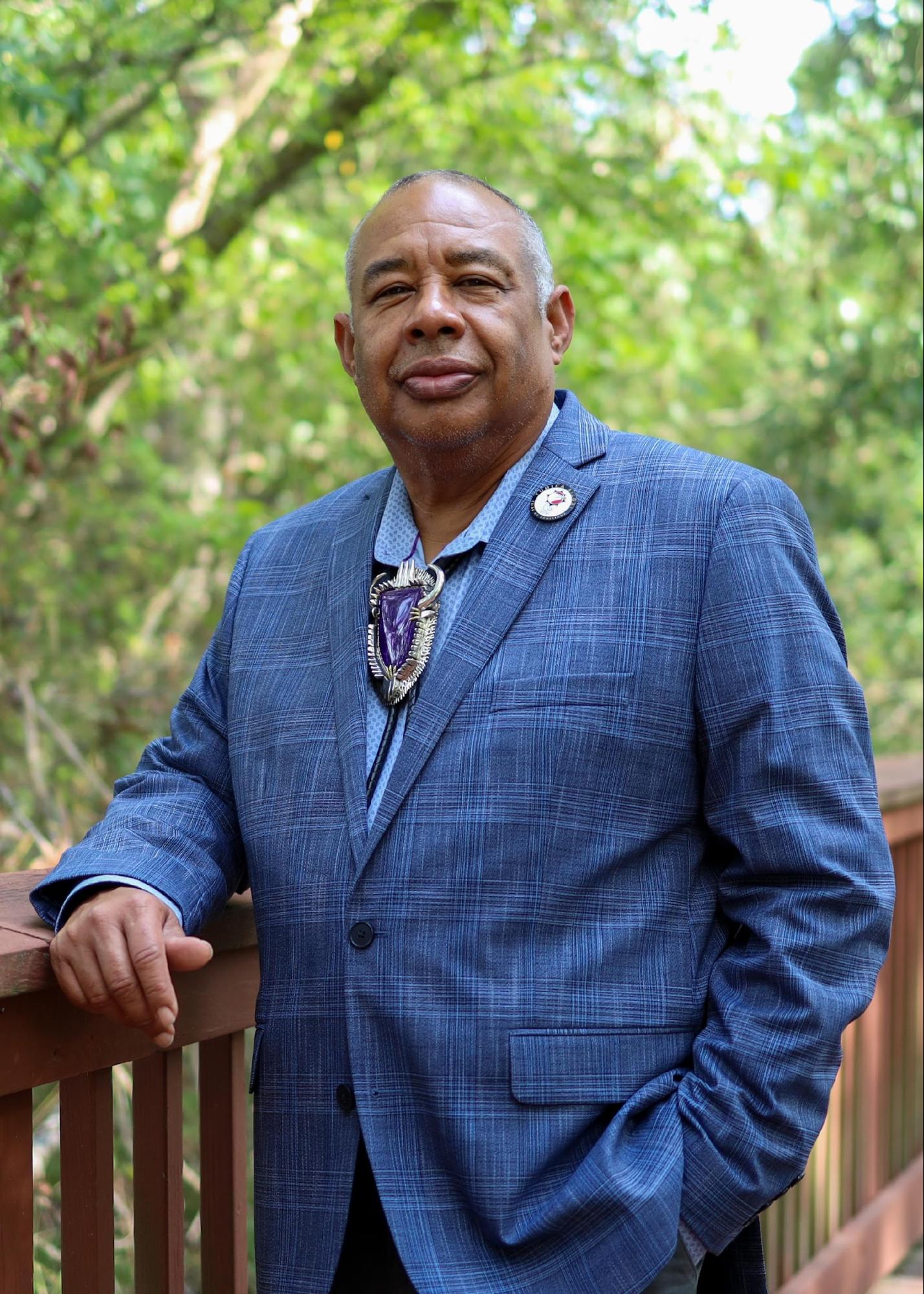
Chairman Marshall Pierite Unanimously Elected President of the New National Coalition Following High-Level Government-to-Government Roundtable in Washington, D.C.

For high resolution photos, click here.

Washington, D.C. – Last month, more than 100 Tribal leaders, federal officials and national partners gathered in the nation’s capital for the third convening of the Government-to-Government Roundtable Series: Protecting, Preserving & Strengthening Tribal Sovereignty, hosted by the Tunica-Biloxi Tribe of Louisiana. 

This convening marked a defining milestone for Indian Country with the official launch of the Native American Coalition for Economic Prosperity (NACEP) – a national, nonpartisan Tribal-led coalition initiated by Chairman Marshall Pierite of the Tunica-Biloxi Tribe of Louisiana, who was unanimously elected to serve as its first President. 

Additional elected officers include:

  • Vice President: Honorable Chairman Calvin Johnson, Tonto Apache Tribe
  • Secretary: Honorable Chairperson Elizabeth Hutchins, Big Sandy Rancheria 
  • Treasurer: Honorable President Anthony Reider, Flandreau Santee Sioux Tribe 

More than 40 Tribal Nations were represented at the two-day convening, joined by leaders from the Administration and private-sector partners committed to advancing economic sovereignty and long-term development across Indian Country.

November 6 Government-to-Government Roundtable & Luncheon

Chairman Pierite opened the convening by reflecting on the journey that began with the first roundtable held on the Tunica-Biloxi Reservation in June, followed by a second gathering in Washington, D.C. in July, noting how what began as a conversation has now transformed into a coordinated national effort.

Throughout the day, Tribal leaders engaged in open, candid dialogue about the challenges facing their communities and the shared opportunities ahead.

“We gather today at a crossroads—a moment when America is searching for renewal and strength. Tribal Nations are not a footnote to that story. We are the key to it,” Chairman Pierite said.

He publicly thanked members of the Administration who attended despite the ongoing federal shutdown, acknowledging that while their subject-matter experts were unavailable, their presence demonstrated dedication and partnership.

“We are not here to stand on the sidelines to criticize and hope for the best. We are here to help rebuild. We are here to be partners in transformation,” said Pierite.

Continuing the discussions, leaders participated in a Luncheon featuring remarks and participation from Alex Meyer, Director of White House Intergovernmental Affairs.


The luncheon served as an open forum where Tribal leaders shared priorities, highlighted urgent needs and reinforced a united commitment to expanding economic prosperity across Indian Country. The dialogue reflected the collaborative spirit behind the newly formed coalition and its growing partnership with federal leadership.

A Shared Economic Moment

Throughout the convening, speakers underscored that the United States is experiencing a historic economic shift—regulatory reform, rebuilding supply chains, expanding energy production and unprecedented momentum for Tribal-led development.

Chairman Pierite emphasized that Indian Country is uniquely positioned to lead during this pivotal period:

“We say we will participate. We say we will lead. We say we will build. We have land. We have sovereignty. We have resilience. And we have vision.”

He reiterated that unity—not competition—will define the next chapter of Tribal economic sovereignty.

Launching the Native American Coalition for Economic Prosperity (NACEP)

With the formal establishment of NACEP, Tribal Nations affirmed their commitment to a unified, forward-looking national economic strategy. Chairman Pierite stressed that the coalition’s mission transcends political cycles:

“This coalition is not about red or blue, left or right. It is about sovereignty, self-determination, and unity of purpose. It is about building something that outlasts any political climate.”

NACEP’s Four Core Objectives

  • Strengthen Tribal sovereignty through economic development and inter-tribal commerce.
  • Promote the common welfare of Native Nations through coordinated policy advocacy and collaboration.
  • Establish sustained coordination between Tribal governments, federal agencies and responsible private-sector partners to expand access to capital, investment tools and workforce development.
  • Create jobs, revenue and long-term economic growth through real, actionable projects rooted in Tribal priorities.

Pierite highlighted that the Tunica-Biloxi Tribe has served as the catalyst for the coalition’s formation and noted that Tribal Nations are poised to play a central role in America’s economic future:

“When the Administration speaks of rebuilding infrastructure, expanding energy, strengthening small businesses and creating jobs, we say: Look to Native American Tribes. We can be the solution to America’s problems.”

November 6 Evening Reception

The day concluded with an evening reception that brought together Tribal leaders, federal partners and national allies—including honored guest, United States Secretary of Health and Human Services, Robert F. Kennedy, Jr.; Treasurer of the United States, Brandon Beach; and Congressman Nick Begich.

The reception provided an opportunity for continued discussion and relationship-building following the formal sessions. Chairman Pierite highlighted the unity and momentum emerging from the roundtable:

“This is our time. This is our season. The opportunity before us is real, the moment is now, and we are ready. When Tribes thrive, communities thrive—and when we work together in trust and transparency, we all rise.”

November 7 White House Meeting

The following morning, Chairman Pierite and the newly formed Native American Coalition for Economic Prosperity (NACEP) were invited to the White House for a summit with Vice President JD Vance.

Chairman Pierite provided remarks about the purpose of the coalition and the importance of working collaboratively with the Administration to advance the goals of Native American Tribes. He was also honored to introduce the Vice President, who emphasized the Administration’s commitment to strong, solution-driven partnerships with Tribal Nations.

“You will always have allies in the West Wing,” Vice President Vance said. “From the President to the Vice President, our vision is to empower Tribal Nations to build in ways America has never built before.”

The Vice President personally greeted every Tribal leader in attendance, demonstrating the Administration’s willingness to listen, learn, and engage directly with Indian Country.

Next Steps for NACEP

Under Chairman Pierite’s leadership, NACEP will begin:

  • Establishing regional working groups
  • Developing national policy priorities
  • Launching capacity-building initiatives
  • Facilitating inter-tribal commerce and high-impact partnerships
  • Strengthening coordination with federal agencies and responsible industry partners

NACEP’s mission is clear: to accelerate economic growth, expand opportunity and strengthen sovereignty for Tribal Nations across the United States—now and for generations to come.

More information on the Tunica-Biloxi Tribe of Louisiana can be found at https://www.tunicabiloxi.org/. Information regarding NACEP can be acquired by emailing info@tunica.org

About the Tunica-Biloxi Tribe of Louisiana

The Tunica-Biloxi people first appeared in the Mississippi Valley. In the late 1700s, they settled near south of Marksville in east-central Louisiana. Today, the Tribe has more than 1,600 members throughout the United States, primarily in Louisiana, Texas, and Illinois. The modern Tunica-Biloxi Tribe is composed of Tunica, Biloxi (a Siouan-speaking people from the Gulf coast), Ofo (also a Siouan people), Avoyel (a Natchezan people), and Choctaw. Although ancestry is typically intermixed through marriages, tribal members typically identify either as Tunica, Biloxi or Biloxi-Choctaw. The tribe owns and operates the Paragon Casino Resort, the largest employer in Central Louisiana. For more information about the Tunica-Biloxi Tribe of Louisiana, visit https://www.tunicabiloxi.org/ and “like” us on Facebook.

About the Native American Coalition for Economic Prosperity (NACEP)

The Native American Coalition for Economic Prosperity is a national, nonpartisan coalition of Tribal Nations, federal partners and private-sector leaders working collaboratively to strengthen economic sovereignty, expand development opportunities and build long-term prosperity across Indian Country. NACEP is committed to education, advocacy, partnership building and ensuring that Tribal Nations remain central to America’s economic future.

Tunica-Biloxi Tribe of Louisiana and Louisiana State University of Alexandria Unite Goals Through New Partnership Agreement

ALEXANDRIA, La. – The Tunica-Biloxi Tribe of Louisiana and Louisiana State University of Alexandria (LSUA) signed a Memorandum of Understanding that will expand economic growth and research opportunities for both institutions. The five-year agreement will support the Tribe’s mission of developing educational opportunities for tribal members and provide vital workforce development resources for its 1,700 citizens nationwide.

“Education has always been a cornerstone of our Tribe’s vision for progress, sovereignty and innovation,” said Tunica-Biloxi Chairman Marshall Pierite. “Partnering with LSUA allows us to open more doors for our citizens and the community, ensuring that learning, leadership and cultural pride go hand in hand.”

The Tunica-Biloxi Tribe has long demonstrated a commitment to educational and community advancement through programming and partnerships. Through the combined efforts of the Tribe and LSUA to expand access to research and workforce opportunities, the MOU will benefit students, tribal citizens and the entire Central Louisiana region.

The agreement also promises academic opportunities for traditional students through first generation scholarships, in addition to continuing education for adult learners. Faculty, staff and students are encouraged to partner with members of the Tribe to advance collaborative efforts.

“We are honored to formalize this partnership with the Tunica-Biloxi Tribe of Louisiana,” said LSUA Chancellor Dr. Paul Coreil. “This MOU reinforces LSUA’s commitment to collaborating and building educational pathways that support Louisiana’s diverse communities.”

The Tunica-Biloxi Tribe is committed to furthering educational opportunities for its tribal members. They partner with universities across the state to provide fee-free education opportunities to tribal members, including Northwestern University, Tulane University and the University of Louisiana at Lafayette. The Louisiana State University assists the Tribe with research and repatriation efforts for its artifacts and ancestral remains.

More information on the Tunica-Biloxi Tribe of Louisiana can be found at https://www.tunicabiloxi.org/.

###

About the Tunica-Biloxi Tribe of Louisiana

The Tunica-Biloxi people first appeared in the Mississippi Valley. In the late 1700s, they settled near south of Marksville in east-central Louisiana. Today, the Tribe has more than 1,600 members throughout the United States, primarily in Louisiana, Texas, and Illinois. The modern Tunica-Biloxi Tribe is composed of Tunica, Biloxi (a Siouan-speaking people from the Gulf coast), Ofo (also a Siouan people), Avoyel (a Natchezan people), and Choctaw. Although ancestry is typically intermixed through marriages, tribal members typically identify either as Tunica, Biloxi or Biloxi-Choctaw. The tribe owns and operates the Paragon Casino Resort, the largest employer in Central Louisiana. For more information about the Tunica-Biloxi Tribe of Louisiana, visit https://www.tunicabiloxi.org/ and “like” us on Facebook.

About Louisiana State University of Alexandria

Louisiana State University of Alexandria (LSUA) is a four-year public university serving Central Louisiana with programs in arts, sciences, business and education. As part of the LSU System, LSUA provides affordable and accessible education while preparing students for leadership and lifelong success. For more information about LSUA’s programs, visit www.lsua.edu.

Tunica-Biloxi Tribe Strengthens Economic Sovereignty with Landmark Acquisition of GovStrive, a Leader in Federal Workforce Solutions

Pictured from left to right are Tunica-Biloxi Vice Chairman Marshall Ray Sampson, Sr., Tunica-Biloxi Chairman Marshall Pierite, GovStrive Vice President Clyde Thompson, Sr., and GovStrive CEO James Sasser signing a Memorandum of Understanding (MOU).

MARKSVILLE, LA . (October 15, 2025) – The Tunica-Biloxi Tribe of Louisiana announced today the successful acquisition of GovStrive, a leading federal human resources consulting firm. The acquisition represents a significant milestone in the Tribe’s ongoing efforts to expand its economic development portfolio while creating new opportunities that directly benefit tribal members and the surrounding communities. “This is not just about the signing of an agreement, but about a shared vision for the future,” said Tunica-Biloxi Chairman Marshall Pierite. “By welcoming GovStrive into our family of enterprises, we will expand our presence in the federal marketplace, create jobs for our people, strengthen the long-term stability of our Tribe, and create opportunities in the communities we serve.”

Headquartered in Dublin, GA, with offices in Atlanta, GA, and Arlington, VA, GovStrive will expand the Tribe’s economic development portfolio and open new opportunities in federal contracting and workforce solutions.  GovStrive, known nationally for its federal government focused HR consulting and workforce management solutions, specializes in HR operations, organizational transformation, workforce analytics, compliance support, and technology-enabled services. Its expertise will align directly with the Tribe’s vision of building enterprises and partnerships that foster economic independence while delivering innovation to federal clients. CEO James Sasser emphasized the significance of the acquisition, noting, “Joining the Tunica-Biloxi Tribe will be a milestone for GovStrive. This partnership will amplify our capacity to serve federal agencies with high-impact solutions, while aligning with the Tribe’s broader mission of economic empowerment and self-determination.”

The Tunica-Biloxi Tribe of Louisiana will commemorate its acquisition of GovStrive during a signing ceremony at GovStrive’s headquarters in Dublin, Georgia, on October 22, 2025. The event will bring together Tunica-Biloxi Chairman Marshall Pierite, GovStrive CEO James Sasser, Tribal leadership, and federal contracting partners to mark the historic occasion.  

The Tunica-Biloxi Tribe currently owns and operates several enterprises, including Paragon Casino Resort, Mobiloans, and other ventures that provide sustainable revenue and employment opportunities for Tribal citizens and surrounding communities. With GovStrive added to this portfolio, the Tribe will not only diversify its business interests but also emphasize its role as a leader in Indian Country economic development, demonstrating how strategic acquisitions can strengthen both sovereignty and economic sustainability.

Media Contact

Amy Boraks
(985) 237-3808
aboraks@tegpr.com

About the Tunica-Biloxi Tribe of Louisiana

The Tunica-Biloxi people first appeared in the Mississippi Valley. In the late 1700s, they settled near south of Marksville in east-central Louisiana. Today, the Tribe has more than 1,700 members throughout the United States, primarily in Louisiana, Texas, and Illinois. The modern Tunica-Biloxi Tribe is composed of Tunica, Biloxi (a Siouan-speaking people from the Gulf coast), Ofo (also a Siouan people), Avoyel (a Natchezan people), and Choctaw. Although ancestry is typically intermixed through marriages, tribal members typically identify either as Tunica, Biloxi or Biloxi-Choctaw. The tribe owns and operates the Paragon Casino Resort-a large employer within Central Louisiana-Mobiloans, and other enterprises. For more information about the Tunica-Biloxi Tribe of Louisiana, visit https://www.tunicabiloxi.org/ and “like” us on Facebook.

About GovStrive

GovStrive is a federal management consulting and workforce solutions firm headquartered in Dublin, Georgia, with additional offices in Atlanta, GA, and Arlington, VA. The company provides HR operations support, workforce analytics, organizational transformation, compliance services, and technology-enabled solutions to federal agencies nationwide. Powered by federal HR subject matter experts and scalable technology platforms, GovStrive helps agencies stabilize operations, enhance workforce performance, and improve service delivery. Learn more at www.govstrive.com.

Tunica-Biloxi Tribe to Host Fourth Annual LaRuE Summit: Innovation, Infrastructure, and  Empowerment Take Center Stage in Marksville

Summit to spotlight innovation, investment, and opportunity across technology, healthcare, education, business, and more. 

Click here for photos from the previous summit 

Click here to register for the Summit 

Marksville, LA – (September 1, 2025) – The Tunica-Biloxi Tribe of Louisiana is proud to announce the  Fourth Annual Louisiana Rural and Economic (LaRuE) Development Summit, taking place September  8–9, 2025, at Paragon Casino Resort. This highly anticipated summit, free and open to the public, will gather leaders in business, government, education, and community development to ignite rural innovation and growth. 

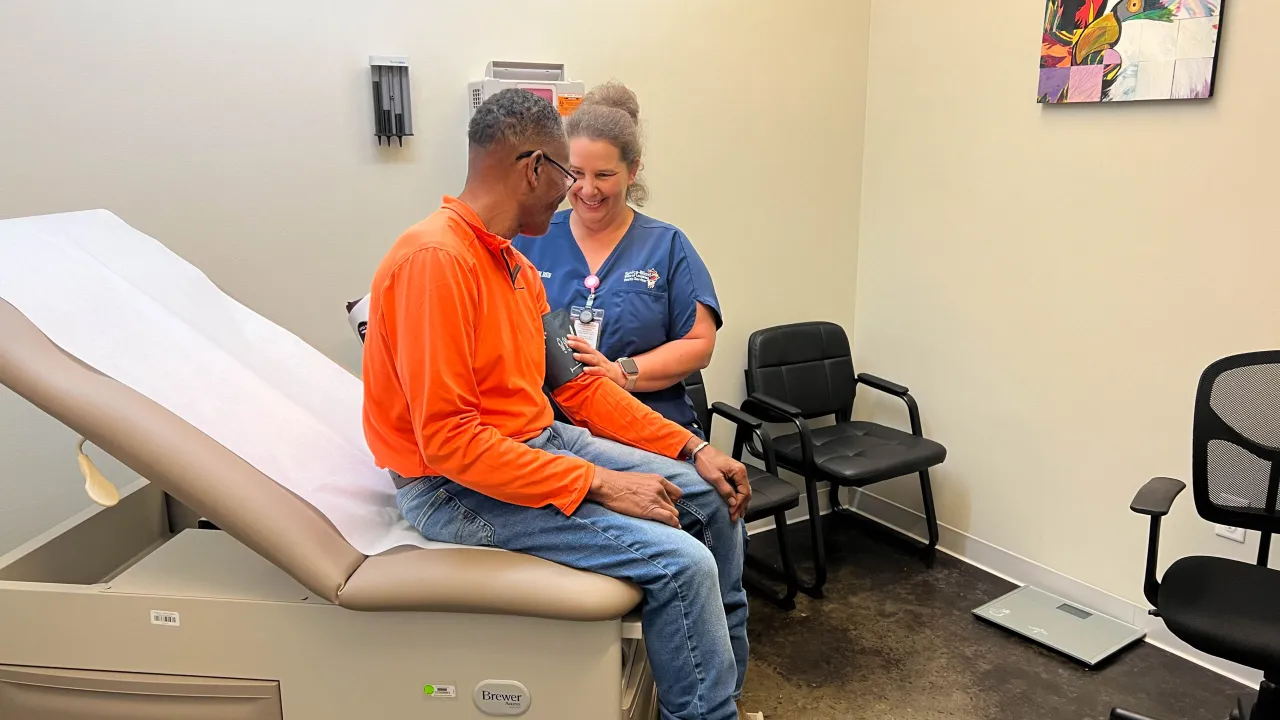
This year’s program offers more than panels and keynotes; it’s an experience. Attendees will step into The Trading Post Exhibit Hall, featuring diverse vendors and resource booths, while the Wellness  Roundup Health Fair, hosted by the Tunica-Biloxi Health Department and Rural Health Clinic, provides screenings, information, and interactive health and wellness resources. 

Highlights include: 

  • Dynamic Panels & Speakers: Featuring a distinguished lineup of thought leaders and subject matter experts, including representatives from Governor Jeff Landry’s office, elected officials,  industry innovators like Meta, and university leaders from ULL, LSUA, NSU, and Southern  University. 
  • Expanded Exhibits & Vendors: Local businesses, nonprofit organizations, and resource partners showcasing opportunities and services for rural communities. 
  • Health & Wellness Fair: A full-day experience dedicated to empowering individuals and families with tools for healthier living. 
  • LaRuE Women’s Night (Sept. 8): A high-energy evening featuring keynote speakers including  Dr. Lisa Vosper, Senator Heather Cloud, and Deidre Deculus Robert. The night will also showcase the Hidden Gem Award, affirmations from local queens, and the community entertainment celebrating women who lead, inspire, and uplift. 

“LaRuE is about empowering people where they are,” said Marshall Pierite, Chairman of the Tunica Biloxi Tribe of Louisiana. “Too often, rural communities are told they must leave home to find opportunity. We reject that narrative. This summit is about building capacity in our own backyards so  our people can thrive where their roots are planted.” 

This year’s sessions will focus on a wide range of timely and critical issues, including: 

  • Economic Diversification 
  • Affordable Housing & Infrastructure Development 
  • Disaster Preparedness & Recovery for Rural Communities 
  • Workforce Development & Higher Education 
  • Mental Health & Resilience 
  • Cultivating Leadership in the Next Generation 
  • Agriculture & Agribusiness 
  • Policy & Government 
  • Art, Culture & Tourism 
  • Digital Transformation in Rural Communities 

LaRuE is open to all economic development professionals, including entrepreneurs, small business owners,  government officials, chambers of commerce, academic leaders, investors, students, and members of the public interested in rural development. 

To register, visit www.larue.la 

Registration for the 2025 LaRuE Summit is free and open to the public thanks to our generous sponsors. Sponsorship opportunities are still available. To learn more about how your organization can support the summit, visit www.larue.la/sponsors.  

Guests staying at the Paragon Casino Resort can use the code and password “rus07gr” to receive the special conference lodging rate. 

The Tunica Biloxi Tribe of Louisiana has long supported and encouraged economic development among Native  Americans, particularly in underserved and rural communities across the state. 

For more information on the Tunica-Biloxi Tribe of Louisiana, visit https://www.tunicabiloxi.org/.

MEDIA CONTACT: 

Lenox Hill 

lhill@tegpr.com 

(504) 352-5910 

About the Tunica-Biloxi Tribe of Louisiana 

The Tunica-Biloxi people first appeared in the Mississippi Valley. In the late 1700s, they settled near south of Marksville in east-central Louisiana. Today, the Tribe has more than 1,600 members throughout the United States, primarily in Louisiana, Texas, and Illinois. The modern Tunica-Biloxi Tribe is composed of Tunica, Biloxi (a Siouan-speaking people from the Gulf coast), Ofo (also a Siouan people),  Avoyel (a Natchezan people), and Choctaw. Although ancestry is typically intermixed through marriages, tribal members typically identify either as Tunica, Biloxi or Biloxi-Choctaw. The tribe owns and operates the Paragon Casino Resort, the largest employer in Central Louisiana. For more information about the Tunica-Biloxi Tribe of Louisiana, visit https://www.tunicabiloxi.org/ and “like” us on Facebook.

President Trump Meets With Chairman Of The Tunica-Biloxi Tribe Of Louisiana Marshall Pierite

MARKSVILLE, LA – Last week, President Donald J. Trump held a historic summit with the Chairman of the Tunica-Biloxi Tribe of Louisiana Marshall Pierite, weeks after the Tunica-Biloxi Tribe announced they would be formally nominating President Trump for the honor of the Nobel Peace Prize.

An article advocating for greater economic cooperation between America’s Indian tribes and the U.S. government by Chairman Pierite reportedly caught the attention of President Trump earlier this year, prompting the summit. During their meeting, President Trump and Chairman Pierite discussed the unique position of Indian sovereignty and authority over tribal lands, and how to capitalize on the opportunity for the mutual benefit of the tribes and the American people.

“I believe we can foster a new spirit of cooperation that will see the expansion of energy production plants, data centers, housing, and technology through partnership between the federal government and Indian Country,” Chairman Pierite said, adding that the cooperation between the Trump administration and various Indian tribes would be “a major catalyst for job creation and prosperity for both Native Americans and all Americans.”

“As someone who spent a lifetime in the construction industry, I recognize the serious obstacles that over-regulation poses in building any new facility or business in America,” President Trump said to Chairman Pierite.

“Tribal sovereignty poses a great opportunity to bypass these unreasonable hurdles and create a major economic boom in the public/private partnerships between our Native American tribes and our business community.”

During the meeting, President Trump reiterated his support for “self-determination and the sovereignty of the country’s Native American tribes” and hailed what Chairman Pierite called a “post-gaming economic development for Indian country.” 

Because of President Trump’s forward-thinking leadership and the support of visionaries like Chairman Pierite, Native Americans will have opportunities to build lasting prosperity for their families and communities. Chairman Pierite sees this partnership as a coalition-building exercise to bring prosperity to all Native Americans – something he’s referred to as “taking our seat at the table.” Despite hardships Indian Country has faced historically, Chairman Pierite believes Native Americans are ready to prosper along with the rest of the United States.

The President also expressed gratitude to the Tunica-Biloxi Tribe for their recent announcement that, based on their status as a sovereign nation, the tribe would recommend President Trump to the Nobel Peace Prize committee. “President Donald Trump will be remembered as one of the most influential world leaders in history, recognized for his unwavering commitment to global leadership and peace,” Chairman Pierite said. “By brokering the Abraham Accords, facilitating economic normalization between Serbia and Kosovo, negotiating the peace treaty between the Democratic Republic of Congo and Rwanda, and mediating ceasefires between India and Pakistan and between Israel and Iran, no world leader has dedicated more time and effort to promoting global peace than President Donald Trump.”

Chairman Pierite is encouraging other Native American leaders and communities to join and support the Tunica-Biloxi Tribe as they do the foundational work that will lift up the entirety of America’s Indian Country. 

The Tunica-Biloxi Tribe has already made strides in pursuing economic development opportunities on their own. Through its business ventures, the tribe is committed to fostering partnerships and developing economic prosperity on behalf of its tribal citizens. Current investments include manufacturing and textiles, public infrastructure projects and AI and technology developments. 

Pierite convened a roundtable discussion last month that featured several Trump administration officials to help lay the groundwork for this developing alliance. Diane Cullo, assistant administrator for the Office of Native American Affairs at the U.S. Small Business Administration (SBA), spoke at the summit, addressing dozens of tribal leaders who will form the core of this groundbreaking coalition.

“I believe President Trump’s vision during this administration emphasizes strong economic growth, deregulation, and the revitalization of communities that have long been forgotten. That vision resonates with many of us because tribal communities have known what it feels like to be overlooked. We are no longer asking for a seat at the table—we are taking our place at the table,” Chairman Pierite said.

Tunica-Biloxi Tribe Hosts Government-to-Government Summit to Advance Economic Development and Tribal Sovereignty

The inter-governmental event, which featured 30 tribal leaders and U. S. Government officials, is part of the Tunica-Biloxi Tribe’s strategy to forge meaningful partnerships between Indian Country and the federal governme

On Friday, June 20, 2025, the Tunica-Biloxi Tribe of Louisiana convened a roundtable event, “Preserving, Protecting, and Strengthening Tribal Sovereignty,” on their reservation in Marksville, Louisiana. This landmark gathering brought together over thirty tribal leaders and federal officials to foster new relationships, spur economic development and reinforce tribal sovereignty across Indian Country.

Special Assistant to the President and Deputy Director of the White House Office of Intergovernmental Affairs, Christine Serrano Glassner, and Senior Advisor for the Immediate Office of the Secretary for the U.S. Department of Health and Human Services, Mark Cruz, represented the U.S. Government. Both highlighted the importance of federal-tribal collaboration in advancing shared priorities.

Diane Cullo, Assistant Administrator for the U.S. Small Business Administration’s Office of Native American Affairs, delivered the keynote address, emphasizing the administration’s commitment to supporting Native American small businesses and addressing concerns about the SBA’s Tribal 8(a) program. Speaker of the House Mike Johnson and Deputy Assistant Secretary for Policy and Economic Development for the Office of Indian Affairs Ken Bellmard delivered video messages in support of the gathering.

Chairman Marshall Pierite of the Tunica-Biloxi Tribe outlined his vision for a coalition between tribal nations and the federal government, underscoring the need to seize new opportunities for growth and self-determination. Under his leadership, Tunica-Biloxi Industries is spearheading initiatives such as a textile manufacturing enterprise to provide high-quality products for commercial and government sectors and public works projects across the country – part of a broader effort to bring manufacturing jobs back to the United States and tribal reservations.

“This event symbolizes our resolve to transform obstacles into opportunities,” said Chairman Pierite. “Through collaboration and determination, we aim to shift the balance of power, ensure tribal communities are no longer overlooked, and secure our rightful place at the table of progress.”

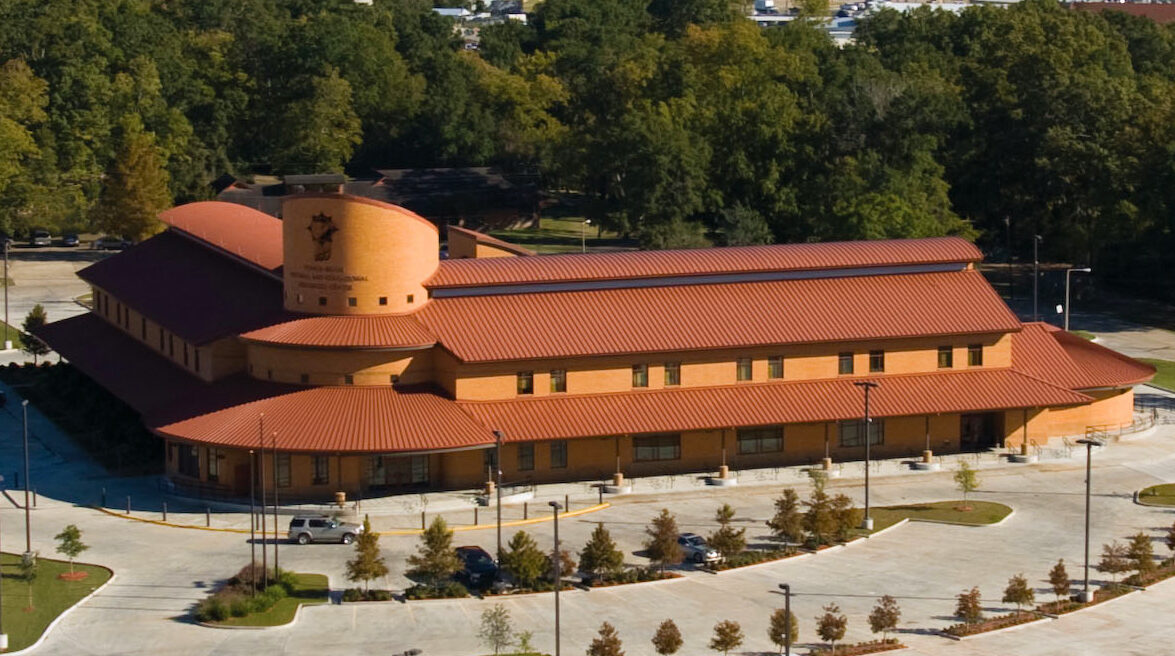
The event, held at the tribal-owned Paragon Casino Resort, began with a guided tour of the Tunica-Biloxi Cultural and Educational Resources Center and Museum, showcasing the tribe’s rich heritage and ongoing efforts in cultural preservation. The day’s program commenced with a cocktail hour and a Government-to-Government Meet & Greet, setting the stage for candid discussions.

A key highlight of the event was the participation of President Donald Trump’s longest-serving political advisor, Roger Stone, who reaffirmed the administration’s dedication to tribal sovereignty and its eagerness to collaborate on economic development projects. Tribal leaders in attendance included Principal Chief Lora Ann Chaisson of the United Houma Nation, Chairman John Lowery of the Lumbee Tribe of North Carolina and Governor Thomas Moquino Jr. of Santo Domingo Pueblo, among others.

The roundtable marked the first of a series, with Chairman Pierite announcing plans for a follow-up event set for late July in Washington, D.C., which is expected to include House Speaker Mike Johnson (R-LA) and Senate Majority Leader John Thune (R-SD).

Through its business ventures, including Tunica-Biloxi Industries, the tribe is committed to fostering economic development opportunities in order to provide for its tribal citizens. Current investments include projects in the textile and manufacturing industries, public infrastructure projects, agricultural investments and more. The Tunica-Biloxi Tribe extends its gratitude to all attendees and partners who contributed to the success of this event.

Learn more at www.tunicabiloxi.org.

###

About the Tunica-Biloxi Tribe of Louisiana

The Tunica-Biloxi people first appeared in the Mississippi Valley. In the late 1700s, they settled near south of Marksville in east-central Louisiana. Today, the Tribe has more than 1,600 members throughout the United States, primarily in Louisiana, Texas, and Illinois. The modern Tunica-Biloxi Tribe is composed of Tunica, Biloxi (a Siouan-speaking people from the Gulf coast), Ofo (also a Siouan people), Avoyel (a Natchezan people), and Choctaw. Although ancestry is typically intermixed through marriages, tribal members typically identify either as Tunica, Biloxi or Biloxi-Choctaw. The tribe owns and operates the Paragon Casino Resort, the largest employer in Central Louisiana. For more information about the Tunica-Biloxi Tribe of Louisiana, visit https://www.tunicabiloxi.org/ and “like” us on Facebook.

DRAFT FOR REVIEW

Tunica-Biloxi Tribe Hosts Government-to-Government Summit to Advance Economic Development and Tribal Sovereignty

The inter-governmental event, which featured 30 tribal leaders and U. S. Government officials, is part of the Tunica-Biloxi Tribe’s strategy to forge meaningful partnerships between Indian Country and the federal government.

On Friday, June 20, 2025, the Tunica-Biloxi Tribe of Louisiana convened a roundtable event, “Preserving, Protecting, and Strengthening Tribal Sovereignty,” on their reservation in Marksville, Louisiana. This landmark gathering brought together over thirty tribal leaders and federal officials to foster new relationships, spur economic development and reinforce tribal sovereignty across Indian Country.

Special Assistant to the President and Deputy Director of the White House Office of Intergovernmental Affairs, Christine Serrano Glassner, and Senior Advisor for the Immediate Office of the Secretary for the U.S. Department of Health and Human Services, Mark Cruz, represented the U.S. Government. Both highlighted the importance of federal-tribal collaboration in advancing shared priorities.

Diane Cullo, Assistant Administrator for the U.S. Small Business Administration’s Office of Native American Affairs, delivered the keynote address, emphasizing the administration’s commitment to supporting Native American small businesses and addressing concerns about the SBA’s Tribal 8(a) program. Speaker of the House Mike Johnson and Deputy Assistant Secretary for Policy and Economic Development for the Office of Indian Affairs Ken Bellmard delivered video messages in support of the gathering.

Chairman Marshall Pierite of the Tunica-Biloxi Tribe outlined his vision for a coalition between tribal nations and the federal government, underscoring the need to seize new opportunities for growth and self-determination. Under his leadership, Tunica-Biloxi Industries is spearheading initiatives such as a textile manufacturing enterprise to provide high-quality products for commercial and government sectors and public works projects across the country – part of a broader effort to bring manufacturing jobs back to the United States and tribal reservations.

“This event symbolizes our resolve to transform obstacles into opportunities,” said Chairman Pierite. “Through collaboration and determination, we aim to shift the balance of power, ensure tribal communities are no longer overlooked, and secure our rightful place at the table of progress.”

The event, held at the tribal-owned Paragon Casino Resort, began with a guided tour of the Tunica-Biloxi Cultural and Educational Resources Center and Museum, showcasing the tribe’s rich heritage and ongoing efforts in cultural preservation. The day’s program commenced with a cocktail hour and a Government-to-Government Meet & Greet, setting the stage for candid discussions.

A key highlight of the event was the participation of President Donald Trump’s longest-serving political advisor, Roger Stone, who reaffirmed the administration’s dedication to tribal sovereignty and its eagerness to collaborate on economic development projects. Tribal leaders in attendance included Principal Chief Lora Ann Chaisson of the United Houma Nation, Chairman John Lowery of the Lumbee Tribe of North Carolina and Governor Thomas Moquino Jr. of Santo Domingo Pueblo, among others.

The roundtable marked the first of a series, with Chairman Pierite announcing plans for a follow-up event set for late July in Washington, D.C., which is expected to include House Speaker Mike Johnson (R-LA) and Senate Majority Leader John Thune (R-SD).

Through its business ventures, including Tunica-Biloxi Industries, the tribe is committed to fostering economic development opportunities in order to provide for its tribal citizens. Current investments include projects in the textile and manufacturing industries, public infrastructure projects, agricultural investments and more. The Tunica-Biloxi Tribe extends its gratitude to all attendees and partners who contributed to the success of this event.

Learn more at www.tunicabiloxi.org.

###

About the Tunica-Biloxi Tribe of Louisiana

The Tunica-Biloxi people first appeared in the Mississippi Valley. In the late 1700s, they settled near south of Marksville in east-central Louisiana. Today, the Tribe has more than 1,600 members throughout the United States, primarily in Louisiana, Texas, and Illinois. The modern Tunica-Biloxi Tribe is composed of Tunica, Biloxi (a Siouan-speaking people from the Gulf coast), Ofo (also a Siouan people), Avoyel (a Natchezan people), and Choctaw. Although ancestry is typically intermixed through marriages, tribal members typically identify either as Tunica, Biloxi or Biloxi-Choctaw. The tribe owns and operates the Paragon Casino Resort, the largest employer in Central Louisiana. For more information about the Tunica-Biloxi Tribe of Louisiana, visit https://www.tunicabiloxi.org/ and “like” us on Facebook.

Louisiana’s Tunica-Biloxi Tribe to Nominate Trump for Nobel Peace Prize

The Tunica-Biloxi Tribe of Louisiana intends to nominate U.S. President Donald J. Trump for the 2026 Nobel Peace Prize, using its sovereign status to qualify under the Norwegian Nobel Committee’s criteria – citing his role in advancing global peace among international hostilities and economic uncertainty – exemplifying the ideals that the Nobel Peace Prize seeks to recognize: the pursuit of peace, the prevention of war and the advancement of international harmony.  

“President Donald Trump will be remembered as one of the most influential world leaders in history, recognized for his unwavering commitment to global leadership and peace,” said Marshall Pierite, Chairman of the Tunica-Biloxi Tribe of Louisiana. “By brokering the Abraham Accords, facilitating economic normalization between Serbia and Kosovo, negotiating the peace treaty between the Democratic Republic of Congo and Rwanda, and mediating ceasefires between India and Pakistan and between Israel and Iran, no world leader has dedicated more time and effort to promoting global peace than President Donald Trump.”

Since 2018, President Donald Trump has received 10 nominations for the Nobel Peace Prize – five of which were submitted in 2025 alone. As part of its submission, the Tunica-Biloxi Tribe of Louisiana intends to cite the president’s role in calming rising tensions around the globe, specifically in the Middle East through the Abraham Accords and an Israel-Iran ceasefire. The president’s endeavors to secure peace and stability globally are precisely what builds strength, security and the peace of mind for all Americans at home in the United States and citizens around the globe.

Chairman Pierite and President Trump’s administration have made significant strides in exploring opportunities to bring back the millions of jobs lost over the last 30 years in the U.S. by expanding economic strongholds, including business ventures into advanced manufacturing and textile production, technology and AI, agriculture cultivation and more. This effort opens the door for Native Americans and other sovereign nations to utilize new and existing economic opportunities through public-private partnerships, benefitting not only their citizens, but all of Rural America and the U.S. economy.

The Tunica-Biloxi Indian Tribe, located in Marksville, Louisiana, is a federally recognized tribe primarily composed of Tunica and Biloxi peoples, with enrolled members also descended from the Ofo, Avoyel and Choctaw nations with more than 1,500 members nationwide. The tribe received federal recognition in 1981, and is governed by a written constitution, with leadership provided by an elected tribal council and chairman. Chairman Pierite encourages Native Americans and sovereign nations to join the Tunica-Biloxi Tribe in support of this nomination. For more information on the Tunica-Biloxi Tribe of Louisiana, visit https://www.tunicabiloxi.org/.

27th Annual Pow Wow Draws Crowds as Tunica-Biloxi Tribe Celebrates Culture and Community

The two-day celebration featured Native dance, music, cultural exhibits and the grand opening of the Tribe’s new Justice Center

For high-res photos of the 2025 Pow Wow, click here.

The Tunica-Biloxi Tribe of Louisiana announced the successful conclusion of the 27th Annual Pow Wow, held May 17 and 18, 2025, on the Tunica-Biloxi Reservation in Marksville. The tribe welcomed neighboring tribes and the Avoyelles Parish community for a weekend celebration of Native American culture through music, dance, storytelling and traditional arts. This year’s Pow Wow also included the grand opening of the Tribe’s new Justice Center.

The event featured an expansive lineup of performances, including the Tunica-Biloxi Singers & Legend Keepers, AC Woodlands Singers, Buc Wild Singers, Thunder Boy Singers and Medicine Tail Singers. Dancers of all ages competed in traditional categories, while more than 30 vendors showcased Native cuisine, handmade jewelry and artisan crafts. Attendees were invited to take part in inter-tribal dances and browse cultural exhibits throughout the weekend.

“The Pow Wow is a space where tradition continues to live through movement, language and community,” said Tunica-Biloxi Chairman Marshall Pierite. “Our people have gathered for generations to share these traditions. Each year, we build on that foundation and strengthen the ties that connect us all.”

On Friday, May 16, the Tribe hosted a free Education Day to introduce students to Native American culture. Students enjoyed hands-on cultural experiences such as Pow Wow dancing, traditional flute music and Tunica-Biloxi storytelling.

Also on May 16, the Tribe held a ribbon-cutting ceremony for the official grand opening of the Tunica-Biloxi Justice Center. Tribal leadership, local officials and community members gathered at the new facility to mark the milestone. During the ceremony, Chief of Police Harold Pierite described the station as a “beacon of integrity, accountability and community care,” built to serve and protect with a focus on trust and safety.

The weekend highlighted the Tribe’s dedication to cultural preservation and community investment, underscoring its ongoing commitment to future generations.

Tunica-Biloxi Joint Venture Begins Work on Wilkinson Canal Pump Station Project

For photos of the pump project, click here.

 The Tunica-Biloxi Tribe of Louisiana announced the start of a project that will ultimately protect Plaquemines Parish from future hurricanes and weather events. The work will be completed by Tunica-Biloxi JSTAR, LLC (TB-JSTAR), a subsidiary of the Tunica-Biloxi Tribe’s Economic Development Authority as part of a Joint Venture with JSTAR Enterprises.

TB-JSTAR began work in March 2025 in partnership with the New Orleans District of the U.S. Army Corps of Engineers in support of this project. The work marks a historic achievement for the Tribe as the first project under their joint venture with JSTAR Enterprises.

The Wilkinson Canal Pump Station Project is a critical infrastructure initiative aimed at enhancing hurricane water flood prevention measures for hundreds of thousands of residents in south Louisiana. The project involves replacing and repairing pumps at the Wilkinson Pump Station, directly safeguarding lives, homes and properties in a region highly vulnerable to severe weather events.

“This is not just a contract, it is a responsibility,” said Tabitha Frost, President of Tunica-Biloxi Services and an architect of the Tribe’s expansion into federal contracting. “The Wilkinson Canal Pump Station Project underscores our commitment to creating a tangible impact in our communities while building sustainable economic opportunities for the Tribe. This is just the beginning as we carve a path forward in the federal contracting arena.”

TB-JSTAR serves as the prime contractor on this standalone project, taking charge of day-to-day management, safety, regulatory compliance, and execution of the work itself. The joint venture is a strategic partnership between Tunica-Biloxi Services, LLC, a current Small Business Administration’s (SBA) 8(a) Program participant and HUBZone firm and New Orleans-based JSTAR Enterprises, a woman owned small business, HUBZone firm, and former participant in the Small Business Administration’s (SBA) 8(a) Program.

The SBA 8(a) Program is a business development initiative that provides small businesses with resources, mentorship and opportunities to compete in federal contracting. The TB-JSTAR JV is serviced by the SBA’s Louisiana District Office. Two years ago, the Tunica-Biloxi Tribe identified federal contracting as a pathway for economic growth and hired Frost in December of 2024 to lead the federal government portfolio. The Tribe’s proactive steps are now yielding significant results, with several projects in progress, including a roof replacement at Shaw Air Force Base.

A key figure in the project is Wendy Barbry Lemoine, a tribal member and President of TB-JSTAR, whose administrative oversight and coordination are pivotal to its success. Lemoine’s leadership embodies the Tribe’s commitment to fostering talent from within and empowering members to take on critical roles in advancing their shared vision.

Chairman Marshall Pierite of the Tunica-Biloxi Tribe emphasized the broader significance of this achievement. “This milestone exemplifies the vision and resilience of the Tunica-Biloxi people. Through strategic partnerships and leveraging federal programs like the 8(a) initiative, we are driving economic growth and ensuring the well-being of our community and the region. I couldn’t be prouder of Tabitha, Wendy, and the entire team for leading us into this new era.”

The Wilkinson Canal Pump Station Project symbolizes the beginning of a transformative journey for the Tunica-Biloxi Tribe in federal contracting. By addressing urgent infrastructure needs and safeguarding communities, the Tribe is proving its capability to deliver meaningful, high-impact solutions.

Tunica-Biloxi Chairman Marshall Pierite Re-Elected to Lead Two Prestigious and Critical Indigenous Organizations

Chairman Pierite will chair the Board of Directors for the Inter-Tribal Council of Louisiana and the Institute for Indian Development.

For high-resolution photos, click here.

The Tunica-Biloxi Tribe of Louisiana announces the re-election of Chairman Marshall Pierite to serve as Chairman of both the Inter-Tribal Council of Louisiana (ITCLA) Board of Directors and the Institute for Indian Development (IID) Board of Directors. These re-elections affirm Chairman Pierite’s ongoing commitment to collaborative leadership and his steadfast dedication to advancing the needs of tribal nations across the state and country.

Chairman Pierite’s leadership has been pivotal in shaping coordinated efforts among Louisiana’s tribal communities in areas such as cultural preservation, economic growth, community development and government-to-government advocacy. His continued service in these roles ensures that critical progress and momentum will be sustained well into the future, especially significant as ITCLA marks its 50th anniversary in 2025.

“I am deeply honored to continue serving our tribal nations through these vital organizations,” said Chairman Marshall Pierite. “Our work is rooted in tradition but focused on the future. We are investing in our people, protecting our sovereignty and building stronger communities that reflect our values, resilience and vision for generations to come.”

The Institute for Indian Development, established in 1981, serves as a forward-thinking extension of the ITCLA’s foundational mission. Focused on long-term, community-driven growth, the IID provides support in areas such as workforce training, entrepreneurship, leadership development and strategic planning that aligns with each tribe’s unique heritage and goals.

The IID’s consortium includes both federally and state-recognized tribes:

  • Federally-recognized tribes:
    • Chitimacha Tribe of Louisiana
    • Coushatta Tribe of Louisiana
    • Tunica-Biloxi Tribe of Louisiana
    • Jena Band of Choctaw Indians
  • State-recognized tribes:
    • United Houma Nation
    • Choctaw Apache Tribe of Louisiana
    • Clifton Choctaw Tribe of Louisiana

Together, the Inter-Tribal Council of Louisiana and the Institute for Indian Development serve as key platforms for uniting these tribes in shared advocacy and empowerment. Their joint mission is to deliver meaningful resources directly to communities ranging from education and employment initiatives to social services, infrastructure support, and cultural revitalization efforts. As ITCLA celebrates five decades of service this year, both organizations remain deeply committed to ensuring tribal nations only preserve their identities and thrive in modern society through self-determination and strategic investments.

“Our collective mission is to bring lasting impact to Native communities in Louisiana and beyond,” said John Silver, Executive Director of ITCLA and IID. “As we celebrate the Inter-Tribal Council’s 50th anniversary, it’s especially meaningful to have Chairman Pierite’s steady leadership guiding us into the future. His ability to unify diverse voices and drive meaningful action continues to inspire progress and partnerships that benefit every tribe we serve.”

In addition to Chairman Pierite’s leadership, the Boards of ITCLA and IID are composed of respected tribal leaders from across the state, each bringing invaluable experience and dedication to the table.

The current elected officers include:

  • Hon. Marshall Pierite, Chairman
    Tunica-Biloxi Tribe of Louisiana Chairman & CEO
  • Hon. Melissa Darden, Vice Chairman
    Chitimacha Tribe of Louisiana Chairman
  • Hon. Lora Ann Chaisson, 2nd Vice Chairman
    United Houma Nation Principal Chief

Together, these leaders will continue building on the legacy of progress established through decades of intertribal collaboration, advocacy and innovation.