Tunica-Biloxi Tribe Spearheads Launch of the Native American Coalition for Economic Prosperity (NACEP)

Chairman Marshall Pierite Unanimously Elected President of the New National Coalition Following High-Level Government-to-Government Roundtable in Washington, D.C.

For high resolution photos, click here.

Washington, D.C. – Last month, more than 100 Tribal leaders, federal officials and national partners gathered in the nation’s capital for the third convening of the Government-to-Government Roundtable Series: Protecting, Preserving & Strengthening Tribal Sovereignty, hosted by the Tunica-Biloxi Tribe of Louisiana. 

This convening marked a defining milestone for Indian Country with the official launch of the Native American Coalition for Economic Prosperity (NACEP) – a national, nonpartisan Tribal-led coalition initiated by Chairman Marshall Pierite of the Tunica-Biloxi Tribe of Louisiana, who was unanimously elected to serve as its first President. 

Additional elected officers include:

  • Vice President: Honorable Chairman Calvin Johnson, Tonto Apache Tribe
  • Secretary: Honorable Chairperson Elizabeth Hutchins, Big Sandy Rancheria 
  • Treasurer: Honorable President Anthony Reider, Flandreau Santee Sioux Tribe 

More than 40 Tribal Nations were represented at the two-day convening, joined by leaders from the Administration and private-sector partners committed to advancing economic sovereignty and long-term development across Indian Country.

November 6 Government-to-Government Roundtable & Luncheon

Chairman Pierite opened the convening by reflecting on the journey that began with the first roundtable held on the Tunica-Biloxi Reservation in June, followed by a second gathering in Washington, D.C. in July, noting how what began as a conversation has now transformed into a coordinated national effort.

Throughout the day, Tribal leaders engaged in open, candid dialogue about the challenges facing their communities and the shared opportunities ahead.

“We gather today at a crossroads—a moment when America is searching for renewal and strength. Tribal Nations are not a footnote to that story. We are the key to it,” Chairman Pierite said.

He publicly thanked members of the Administration who attended despite the ongoing federal shutdown, acknowledging that while their subject-matter experts were unavailable, their presence demonstrated dedication and partnership.

“We are not here to stand on the sidelines to criticize and hope for the best. We are here to help rebuild. We are here to be partners in transformation,” said Pierite.

Continuing the discussions, leaders participated in a Luncheon featuring remarks and participation from Alex Meyer, Director of White House Intergovernmental Affairs.


The luncheon served as an open forum where Tribal leaders shared priorities, highlighted urgent needs and reinforced a united commitment to expanding economic prosperity across Indian Country. The dialogue reflected the collaborative spirit behind the newly formed coalition and its growing partnership with federal leadership.

A Shared Economic Moment

Throughout the convening, speakers underscored that the United States is experiencing a historic economic shift—regulatory reform, rebuilding supply chains, expanding energy production and unprecedented momentum for Tribal-led development.

Chairman Pierite emphasized that Indian Country is uniquely positioned to lead during this pivotal period:

“We say we will participate. We say we will lead. We say we will build. We have land. We have sovereignty. We have resilience. And we have vision.”

He reiterated that unity—not competition—will define the next chapter of Tribal economic sovereignty.

Launching the Native American Coalition for Economic Prosperity (NACEP)

With the formal establishment of NACEP, Tribal Nations affirmed their commitment to a unified, forward-looking national economic strategy. Chairman Pierite stressed that the coalition’s mission transcends political cycles:

“This coalition is not about red or blue, left or right. It is about sovereignty, self-determination, and unity of purpose. It is about building something that outlasts any political climate.”

NACEP’s Four Core Objectives

  • Strengthen Tribal sovereignty through economic development and inter-tribal commerce.
  • Promote the common welfare of Native Nations through coordinated policy advocacy and collaboration.
  • Establish sustained coordination between Tribal governments, federal agencies and responsible private-sector partners to expand access to capital, investment tools and workforce development.
  • Create jobs, revenue and long-term economic growth through real, actionable projects rooted in Tribal priorities.

Pierite highlighted that the Tunica-Biloxi Tribe has served as the catalyst for the coalition’s formation and noted that Tribal Nations are poised to play a central role in America’s economic future:

“When the Administration speaks of rebuilding infrastructure, expanding energy, strengthening small businesses and creating jobs, we say: Look to Native American Tribes. We can be the solution to America’s problems.”

November 6 Evening Reception

The day concluded with an evening reception that brought together Tribal leaders, federal partners and national allies—including honored guest, United States Secretary of Health and Human Services, Robert F. Kennedy, Jr.; Treasurer of the United States, Brandon Beach; and Congressman Nick Begich.

The reception provided an opportunity for continued discussion and relationship-building following the formal sessions. Chairman Pierite highlighted the unity and momentum emerging from the roundtable:

“This is our time. This is our season. The opportunity before us is real, the moment is now, and we are ready. When Tribes thrive, communities thrive—and when we work together in trust and transparency, we all rise.”

November 7 White House Meeting

The following morning, Chairman Pierite and the newly formed Native American Coalition for Economic Prosperity (NACEP) were invited to the White House for a summit with Vice President JD Vance.

Chairman Pierite provided remarks about the purpose of the coalition and the importance of working collaboratively with the Administration to advance the goals of Native American Tribes. He was also honored to introduce the Vice President, who emphasized the Administration’s commitment to strong, solution-driven partnerships with Tribal Nations.

“You will always have allies in the West Wing,” Vice President Vance said. “From the President to the Vice President, our vision is to empower Tribal Nations to build in ways America has never built before.”

The Vice President personally greeted every Tribal leader in attendance, demonstrating the Administration’s willingness to listen, learn, and engage directly with Indian Country.

Next Steps for NACEP

Under Chairman Pierite’s leadership, NACEP will begin:

  • Establishing regional working groups
  • Developing national policy priorities
  • Launching capacity-building initiatives
  • Facilitating inter-tribal commerce and high-impact partnerships
  • Strengthening coordination with federal agencies and responsible industry partners

NACEP’s mission is clear: to accelerate economic growth, expand opportunity and strengthen sovereignty for Tribal Nations across the United States—now and for generations to come.

More information on the Tunica-Biloxi Tribe of Louisiana can be found at https://www.tunicabiloxi.org/. Information regarding NACEP can be acquired by emailing info@tunica.org

About the Tunica-Biloxi Tribe of Louisiana

The Tunica-Biloxi people first appeared in the Mississippi Valley. In the late 1700s, they settled near south of Marksville in east-central Louisiana. Today, the Tribe has more than 1,600 members throughout the United States, primarily in Louisiana, Texas, and Illinois. The modern Tunica-Biloxi Tribe is composed of Tunica, Biloxi (a Siouan-speaking people from the Gulf coast), Ofo (also a Siouan people), Avoyel (a Natchezan people), and Choctaw. Although ancestry is typically intermixed through marriages, tribal members typically identify either as Tunica, Biloxi or Biloxi-Choctaw. The tribe owns and operates the Paragon Casino Resort, the largest employer in Central Louisiana. For more information about the Tunica-Biloxi Tribe of Louisiana, visit https://www.tunicabiloxi.org/ and “like” us on Facebook.

About the Native American Coalition for Economic Prosperity (NACEP)

The Native American Coalition for Economic Prosperity is a national, nonpartisan coalition of Tribal Nations, federal partners and private-sector leaders working collaboratively to strengthen economic sovereignty, expand development opportunities and build long-term prosperity across Indian Country. NACEP is committed to education, advocacy, partnership building and ensuring that Tribal Nations remain central to America’s economic future.


Tunica-Biloxi Tribe Strengthens Economic Sovereignty with Landmark Acquisition of GovStrive, a Leader in Federal Workforce Solutions

Pictured from left to right are Tunica-Biloxi Vice Chairman Marshall Ray Sampson, Sr., Tunica-Biloxi Chairman Marshall Pierite, GovStrive Vice President Clyde Thompson, Sr., and GovStrive CEO James Sasser signing a Memorandum of Understanding (MOU).

MARKSVILLE, LA . (October 15, 2025) – The Tunica-Biloxi Tribe of Louisiana announced today the successful acquisition of GovStrive, a leading federal human resources consulting firm. The acquisition represents a significant milestone in the Tribe’s ongoing efforts to expand its economic development portfolio while creating new opportunities that directly benefit tribal members and the surrounding communities. “This is not just about the signing of an agreement, but about a shared vision for the future,” said Tunica-Biloxi Chairman Marshall Pierite. “By welcoming GovStrive into our family of enterprises, we will expand our presence in the federal marketplace, create jobs for our people, strengthen the long-term stability of our Tribe, and create opportunities in the communities we serve.”

Headquartered in Dublin, GA, with offices in Atlanta, GA, and Arlington, VA, GovStrive will expand the Tribe’s economic development portfolio and open new opportunities in federal contracting and workforce solutions.  GovStrive, known nationally for its federal government focused HR consulting and workforce management solutions, specializes in HR operations, organizational transformation, workforce analytics, compliance support, and technology-enabled services. Its expertise will align directly with the Tribe’s vision of building enterprises and partnerships that foster economic independence while delivering innovation to federal clients. CEO James Sasser emphasized the significance of the acquisition, noting, “Joining the Tunica-Biloxi Tribe will be a milestone for GovStrive. This partnership will amplify our capacity to serve federal agencies with high-impact solutions, while aligning with the Tribe’s broader mission of economic empowerment and self-determination.”

The Tunica-Biloxi Tribe of Louisiana will commemorate its acquisition of GovStrive during a signing ceremony at GovStrive’s headquarters in Dublin, Georgia, on October 22, 2025. The event will bring together Tunica-Biloxi Chairman Marshall Pierite, GovStrive CEO James Sasser, Tribal leadership, and federal contracting partners to mark the historic occasion.  

The Tunica-Biloxi Tribe currently owns and operates several enterprises, including Paragon Casino Resort, Mobiloans, and other ventures that provide sustainable revenue and employment opportunities for Tribal citizens and surrounding communities. With GovStrive added to this portfolio, the Tribe will not only diversify its business interests but also emphasize its role as a leader in Indian Country economic development, demonstrating how strategic acquisitions can strengthen both sovereignty and economic sustainability.

Media Contact

Amy Boraks
(985) 237-3808
aboraks@tegpr.com

About the Tunica-Biloxi Tribe of Louisiana

The Tunica-Biloxi people first appeared in the Mississippi Valley. In the late 1700s, they settled near south of Marksville in east-central Louisiana. Today, the Tribe has more than 1,700 members throughout the United States, primarily in Louisiana, Texas, and Illinois. The modern Tunica-Biloxi Tribe is composed of Tunica, Biloxi (a Siouan-speaking people from the Gulf coast), Ofo (also a Siouan people), Avoyel (a Natchezan people), and Choctaw. Although ancestry is typically intermixed through marriages, tribal members typically identify either as Tunica, Biloxi or Biloxi-Choctaw. The tribe owns and operates the Paragon Casino Resort-a large employer within Central Louisiana-Mobiloans, and other enterprises. For more information about the Tunica-Biloxi Tribe of Louisiana, visit https://www.tunicabiloxi.org/ and “like” us on Facebook.

About GovStrive

GovStrive is a federal management consulting and workforce solutions firm headquartered in Dublin, Georgia, with additional offices in Atlanta, GA, and Arlington, VA. The company provides HR operations support, workforce analytics, organizational transformation, compliance services, and technology-enabled solutions to federal agencies nationwide. Powered by federal HR subject matter experts and scalable technology platforms, GovStrive helps agencies stabilize operations, enhance workforce performance, and improve service delivery. Learn more at www.govstrive.com.

Tunica-Biloxi Tribe to Host Fourth Annual LaRuE Summit: Innovation, Infrastructure, and  Empowerment Take Center Stage in Marksville

Summit to spotlight innovation, investment, and opportunity across technology, healthcare, education, business, and more. 

Click here for photos from the previous summit 

Click here to register for the Summit 

Marksville, LA – (September 1, 2025) – The Tunica-Biloxi Tribe of Louisiana is proud to announce the  Fourth Annual Louisiana Rural and Economic (LaRuE) Development Summit, taking place September  8–9, 2025, at Paragon Casino Resort. This highly anticipated summit, free and open to the public, will gather leaders in business, government, education, and community development to ignite rural innovation and growth. 

This year’s program offers more than panels and keynotes; it’s an experience. Attendees will step into The Trading Post Exhibit Hall, featuring diverse vendors and resource booths, while the Wellness  Roundup Health Fair, hosted by the Tunica-Biloxi Health Department and Rural Health Clinic, provides screenings, information, and interactive health and wellness resources. 

Highlights include: 

  • Dynamic Panels & Speakers: Featuring a distinguished lineup of thought leaders and subject matter experts, including representatives from Governor Jeff Landry’s office, elected officials,  industry innovators like Meta, and university leaders from ULL, LSUA, NSU, and Southern  University. 
  • Expanded Exhibits & Vendors: Local businesses, nonprofit organizations, and resource partners showcasing opportunities and services for rural communities. 
  • Health & Wellness Fair: A full-day experience dedicated to empowering individuals and families with tools for healthier living. 
  • LaRuE Women’s Night (Sept. 8): A high-energy evening featuring keynote speakers including  Dr. Lisa Vosper, Senator Heather Cloud, and Deidre Deculus Robert. The night will also showcase the Hidden Gem Award, affirmations from local queens, and the community entertainment celebrating women who lead, inspire, and uplift. 

“LaRuE is about empowering people where they are,” said Marshall Pierite, Chairman of the Tunica Biloxi Tribe of Louisiana. “Too often, rural communities are told they must leave home to find opportunity. We reject that narrative. This summit is about building capacity in our own backyards so  our people can thrive where their roots are planted.” 

This year’s sessions will focus on a wide range of timely and critical issues, including: 

  • Economic Diversification 
  • Affordable Housing & Infrastructure Development 
  • Disaster Preparedness & Recovery for Rural Communities 
  • Workforce Development & Higher Education 
  • Mental Health & Resilience 
  • Cultivating Leadership in the Next Generation 
  • Agriculture & Agribusiness 
  • Policy & Government 
  • Art, Culture & Tourism 
  • Digital Transformation in Rural Communities 

LaRuE is open to all economic development professionals, including entrepreneurs, small business owners,  government officials, chambers of commerce, academic leaders, investors, students, and members of the public interested in rural development. 

To register, visit www.larue.la 

Registration for the 2025 LaRuE Summit is free and open to the public thanks to our generous sponsors. Sponsorship opportunities are still available. To learn more about how your organization can support the summit, visit www.larue.la/sponsors.  

Guests staying at the Paragon Casino Resort can use the code and password “rus07gr” to receive the special conference lodging rate. 

The Tunica Biloxi Tribe of Louisiana has long supported and encouraged economic development among Native  Americans, particularly in underserved and rural communities across the state. 

For more information on the Tunica-Biloxi Tribe of Louisiana, visit https://www.tunicabiloxi.org/.

MEDIA CONTACT: 

Lenox Hill 

lhill@tegpr.com 

(504) 352-5910 

About the Tunica-Biloxi Tribe of Louisiana 

The Tunica-Biloxi people first appeared in the Mississippi Valley. In the late 1700s, they settled near south of Marksville in east-central Louisiana. Today, the Tribe has more than 1,600 members throughout the United States, primarily in Louisiana, Texas, and Illinois. The modern Tunica-Biloxi Tribe is composed of Tunica, Biloxi (a Siouan-speaking people from the Gulf coast), Ofo (also a Siouan people),  Avoyel (a Natchezan people), and Choctaw. Although ancestry is typically intermixed through marriages, tribal members typically identify either as Tunica, Biloxi or Biloxi-Choctaw. The tribe owns and operates the Paragon Casino Resort, the largest employer in Central Louisiana. For more information about the Tunica-Biloxi Tribe of Louisiana, visit https://www.tunicabiloxi.org/ and “like” us on Facebook.

Tunica-Biloxi Tribe of Louisiana Breaks Ground on $6.4 Million Affordable Housing Project

Once completed, the housing development will establish 19 new homes for Tribal citizens in need.

For images from the event, click here.

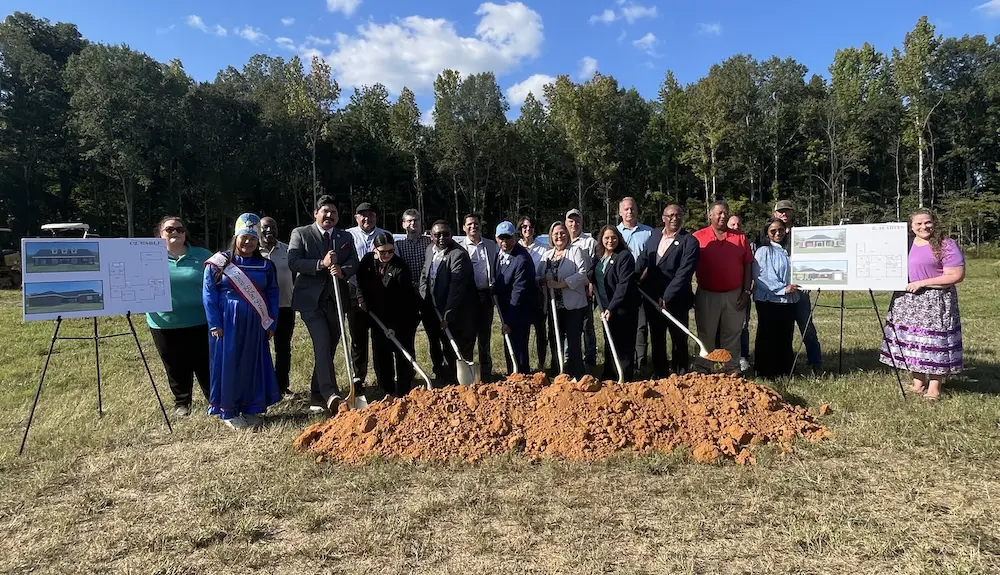
MARKSVILLE, La. – [October 3, 2024] – The Tunica-Biloxi Tribe of Louisiana broke ground on a multimillion-dollar affordable housing project during a special ceremony with Tribal Council members
and citizens.

Chairman Marshall Pierite was joined by the Tribal Council, the Tunica-Biloxi Housing Department and project team members for the first turn of the shovels, marking the first phase of construction on 19 new, affordable housing units. Once completed, the homes will be three bedrooms and have mixed uses including elderly housing, emergency housing, and housing for dislocated Tribal citizens and low-income Tribal citizens, while being ADA accessible.

“For hundreds of years, the Tunica-Biloxi Tribe has worked tirelessly to build each other up, support our friends and neighbors and find a solution to any inequities our citizens may face,” said Chairman Pierite. “Inadequate housing can negatively impact child development, threaten family stability and affect one’s mental health and well-being. These new homes will lift that burden off 19 families and provide them with a stable environment so they can grow and prosper.”

The new homes will be afforded to Tribal citizen households who need them most. The development will address a housing shortage and instability that has come as a result of poor economic conditions or natural disasters. A dedicated team will see the project to completion, including Tribal Historic Preservation Officer and Project Director Earl Barbry, Jr., Director of Land and Facilities Ron Bordelon, Housing Director Stephanie Stiles, and Tribal Employment Rights Officer, Terryl Pierite.

“We are committed to providing a solution to a growing problem that affects tribes across Indian Country,” said Earl Barbry, Jr. “Soon, over a dozen deserving Tunica-Biloxi families will get to call this land their new home, which is why we are putting every bit of hard work we can into making this project beyond the best it can be.”

Funding for the project comes from a $6.4 million U.S. Department of Housing & Urban Development (HUD) grant through its Indian Housing Block Grant Program. The Tunica-Biloxi Tribe is one of 22 communities awarded funding from the $128 million Indian Housing Block Grant, an effort by HUD to fund affordable housing assistance to Native American tribes for construction, rehabilitation, and other housing services.

Through HUD, Chairman Pierite serves on the first-ever Tribal Intergovernmental Advisory Committee (TIAC). The TIAC is comprised of dozens of tribal leaders who are committed to strengthening the nation-to-nation relationship between HUD and Tribal communities, coordinating policy across all HUD
programs and advising HUD regarding the housing priorities of the American Indian and Alaska Native
peoples.

The 19 new units, which are being built along Birch Street on the Tunica-Biloxi Reservation, will be
completed by September 2028. More information about the Tunica-Biloxi Tribe of Louisiana and the
new housing development can be found online at https://www.tunicabiloxi.org/.


About the Tunica-Biloxi Tribe of Louisiana

The Tunica-Biloxi people first appeared in the Mississippi Valley. In the late 1700s, they settled near Marksville, where they were skilled traders and entrepreneurs. Today, the Tribe has more than 1,200 members throughout the United States, primarily in Louisiana, Texas, and Illinois. The Tunica-Biloxi Tribe received federal recognition in 1981 for its reservation within the boundaries of Louisiana. The tribe owns and operates the Paragon Casino Resort, the largest employer in Central Louisiana. Through its compact, negotiated by the late Tribal Chairman Earl J. Barbry Sr. and the State of Louisiana, the Tribe has assisted local governments in the area with its quarterly distribution of funds, totaling more than $40 million over two decades. For more information about the Tunica-Biloxi Tribe of Louisiana, visit www.tunicabiloxi.org and “like” us on Facebook.

Tunica-Biloxi Tribe Raises $10,000 for Cancer Awareness from Inaugural Healing Tribal Strong 5k Rez Run

Community members and local leaders walked and ran to raise money for the American Indian Cancer Foundation.

For images from the event, click here.

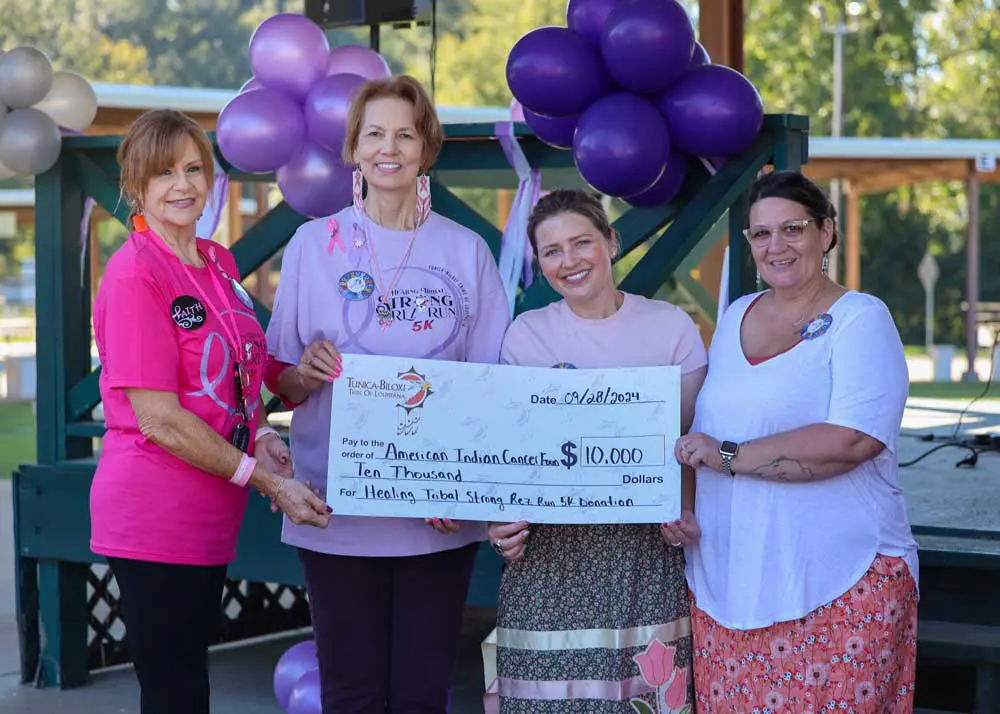
MARKSVILLE, La. – [October 1, 2024] – The Tunica-Biloxi Tribe of Louisiana is proud to announce the first ever Healing Tribal Strong 5k Rez Run raised $10,000 for cancer awareness and support through the American Indian Cancer Foundation.

Over 100 members of the Marksville and Avoyelles Parish communities participated in the walk/run to generate awareness and encouragement for those who may be supporting a loved one with cancer, those journeying through cancer, and those we have lost to cancer.

“This was so much bigger than a race. This day was all about showing our community and our neighbors that we care for them and that we are wholeheartedly devoted to their well-being,” said Marshall Pierite, Chairman and CEO of the Tunica-Biloxi Tribe of Louisiana. “The support shown from the Healing Tribal Strong 5k demonstrated that our mission is shared not only by the citizens of Tunica-Biloxi but also by people across Central Louisiana. We are overjoyed to give $10,000 to the American Indian Cancer Foundation and continue our united fight against all types of cancer.”

The American Indian Cancer Foundation’s primary mission is to afford the best cancer prevention and treatment strategies for Native people through hard work, community-based programs and policy change. The foundation also addresses the needs of Native cancer survivors, caregivers and their families through its Survivorship Program which is funded by the Center for Disease Control and Prevention (CDC) as part of the National Comprehensive Cancer Control Program (NCCCP).

The Healing Tribal Strong 5k Rez Run took place at Tunica-Biloxi’s Chief Joseph Alcide Pierite Pow Wow Grounds. Participants ended the race with an awards ceremony to celebrate their accomplishments and came together to share in a successful day of fun and fitness.

Tunica-Biloxi’s Healing Tribal Strong support group is held by the Tunica-Biloxi Tribe’s Elder’s Council. The group provides a forum for all Tribal families and friends to share experiences, offer support and foster a sense of unity in the face of any challenges that cancer may bring. The Healing Tribal Strong support group meets weekly to connect, uplift and inspire impacted Tribal citizens and their families. Tribal citizens who want to be a part of Healing Tribal Strong can request access to the support group’s Facebook page.


For more information about the Tunica-Biloxi Tribe of Louisiana and future events, please visit https://www.tunicabiloxi.org/.


About the Tunica-Biloxi Tribe of Louisiana

The Tunica-Biloxi people first appeared in the Mississippi Valley. In the late 1700s, they settled near Marksville, where they were skilled traders and entrepreneurs. Today, the Tribe has more than 1,200 members throughout the United States, primarily in Louisiana, Texas, and Illinois. The Tunica-Biloxi Tribe received federal recognition in 1981 for its reservation within the boundaries of Louisiana. The tribe owns and operates the Paragon Casino Resort, the largest employer in Central Louisiana. Through its compact, negotiated by the late Tribal Chairman Earl J. Barbry Sr. and the State of Louisiana, the Tribe has assisted local governments in the area with its quarterly distribution of funds, totaling more than $40 million over two decades. For more information about the Tunica-Biloxi Tribe of Louisiana, visit www.tunicabiloxi.org and “like” us on Facebook.

Tunica Biloxi Tribe of Louisiana Regains Ownership of Ancestral Lands

The Tunica-Biloxi Tribe of Louisiana reached an agreement with the City of Marksville to regain control of ancient burial grounds and surrounding lands.

For more high-res images, click here.

Marksville, La. – Sept 23, 2022 The Tunica-Biloxi Tribe of Louisiana and the City of Marksville signed an agreement transferring ownership of the Marksville Historic State Park back to the Tunica-Biloxi Tribe. The park is the location of sacred Native American burial grounds containing ancestral remains from Tunica-Biloxi citizens that once inhabited the area. The Tribe plans to update and restore the property while also maintaining the grounds and educating the public on the cultural significance of the park.

“Regaining ownership of this land and expanding public access to Tunica-Biloxi citizens is integral to the continued mission of Tribal leadership,” said Earl Barbry, Jr., Tunica-Biloxi Director of Community Planning “This land has significant cultural value for our community, and we are pleased to continue preserving our rich culture and heritage on this site.”

The Tunica-Biloxi Tribe of Louisiana will restore The Historic State Park and generate continued awareness of the storied history of the Tunica-Biloxi Tribe. The site’s cultural significance is a driving force for the revitalization and beautification of this park. This project will also benefit the Tribe’s museum-focused tourism campaign and generate employment opportunities for tribal citizens and the surrounding community while bringing awareness to the Tribe’s history. 

“This site is of significant value to the Tunica-Biloxi Tribe as part of our storied history here in Louisiana,” said Tunica-Biloxi Chairman Marshall Pierite. “Prior Tribal leadership worked for many years to restore this sacred place to the Tribe, and we are pleased to once again be caretakers of our native lands.”

“The City of Marksville has long been a partner with the Tunica-Biloxi Tribe of Louisiana,” said Marksville Mayor John H. Lemoine. “This alliance reflects just another chapter in the Tribe’s ancestral history here in Marksville and their work to support this community.”

The 42-acre Marksville State Historic Site is located on a bluff overlooking the Old River, adjacent to the town of Marksville. Archaeologists consider this prehistoric Native American ceremonial center to be of unique significance. The Marksville culture, a southeastern variant of the Hopewell culture centered in Ohio and Illinois, was characterized by elaborate mortuary ceremonialism, the construction of conical burial mounds, complex trade networks, decorative pottery and the importation of certain raw materials. It is also possible that this is the site of agriculture of a limited nature, such as the horticulture of native plants.

Although archaeological sites had been recognized throughout this area for many years, it was not until 1926 that the importance of the Marksville site was established. In that year, Gerald Fowke of the Smithsonian Institute conducted the first scientific investigation of the area and produced a detailed map of the Marksville site. In 1933, James A. Ford, an undergraduate student at Louisiana State University, and F. M. Setzler, also of the Smithsonian Institute, uncovered evidence that connected Marksville to the development of the Hopewell culture, which was then known to be based primarily in Ohio.

The Indian Mound, which is the main portion of the Marksville site, is surrounded by semi-circular earthwork which is 3,300 feet long and ranges from 3 to 7 feet in height. The open side of the enclosure is the edge of a bluff along the Old River. Openings in the earthwork, one on the western side and two on the southern end, suggest that its purpose was ceremonial rather than defensive. This enclosure probably was built to delineate a special area where the dead were buried, and formal affairs were conducted. Six mounds of various sizes and shapes are located within the main enclosure, and others are built outside of it. The Marksville State Historic Site was designated a National Historic Landmark by the U.S. Department of the Interior in 1964, and thus joined a select group of properties that have since been recognized for their importance in American history.

It is estimated that this land has not been in the possession of a Native American nation since the early 1800s. The late Earl Barbry Sr was the first tribal chairman to try to regain possession of this land. However, the only terms Chairman Barbry was able to obtain involved the city of Marksville leasing said land back to the Tunica-Biloxi nation. This did not satisfy the chairman’s desire. So, after decades and multiple generations of tribal chairmen and state governors, both sides finally came together to execute this transfer of land ownership.


Tunica-Biloxi Homecoming Schedule

Yoroniku-Halayihku Riyaka

(Tunica-Biloxi Homecoming)

Saturday, September 24, 2022 ~ 11AM-7PM

Tunica-Biloxi Gym and Chief Joseph Alcide Pierite Pow Wow Grounds

Agenda

  • 10:30 AM Gym Doors & Registration Open
  • 11:00 AM – 12:00 PM Welcome Ceremony
    • General Welcome – John Barbry
    • Prayer and Welcome Song (Gym)
    • Greetings & Remarks – Chairman Pierite & Tunica-Biloxi Council
    • 41st Anniversary of Federal Acknowledgement
    • Victory Song
  • 12:00 PM – 12:30 PM Acknowledgment of 2022 High School, College, & Kindergarten Graduates (Gym) – Joanie & Katie Arteta
  • 12:15 PM – 1:00 PM Lunch (Gym)
  • 1:00 PM – 3:00 PM Pow Wow Dance Exhibition & Round Dance (Gym)
  • 3:15 PM – 5:00 PM Youth Amusement – Water slides and Bounce Houses (Pow Wow Grounds)
  • 3:15 PM – 4:15 PM Youth Stickball& Cornhole Games (Pow Wow Grounds)
  • 3:15 PM – 4:30 PM Talking Circle and Mixer with Elders & Adults (Multi-purpose Room @ Gym)
  • 4:00 PM – 4:30 PM Dessert Contest (Multi-purpose Room @ Gym)
    • Categories include Cobbler, Cake and Pie.
    • Participants must bring two of their entry.
    • Youth category ages 10-16 and Adult category 17+
  • 4:30 PM – 5:30 PM Bingo (Gym)
  • 5:45 PM – 7:00 PM Dinner (Gym) 5:45 PM – 7:00 PM

LCRP to Host 6th Annual Intertribal Basketry Summit

Saturday, October 29, 2022 ∞ 9am-4pm
Paragon Ballroom, Paragon Casino Resort
711 Paragon Place, Marksville, Louisiana, 71351

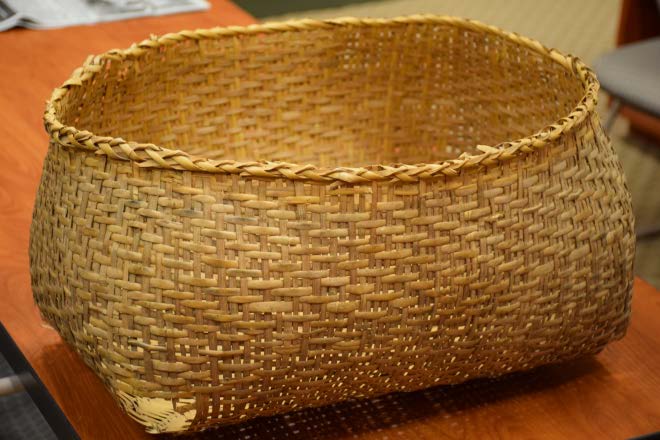
The Tunica-Biloxi Language & Culture Revitalization Program extends an open invitation to basket weavers for a day of weaving. Weavers from regional Native American communities will be demonstrating southeast basket traditions using long leaf pine needle, river cane, and palmetto.

The Summit will be an informal forum allowing weavers to talk about their own technique and elements of their culture represented in the craft. Beginners and observers are encouraged to attend.

The Summit is open to the public. Registration fee is $25. Lunch will be served. Space is limited. Participants must register in advance by contacting Julia Barry at jbarry@tunica.org or (318) 240-6431.

Tunica-Biloxi Tribe to Auction Vehicles and Generator

The Tunica Biloxi Tribe is taking bids on the following items:


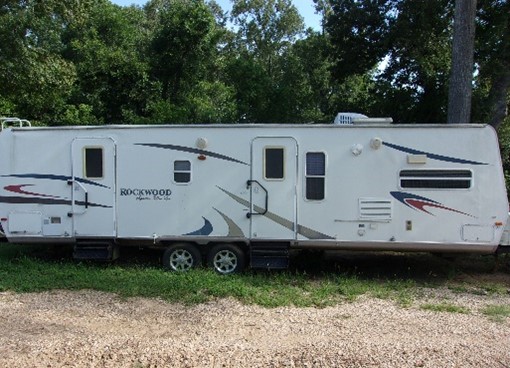
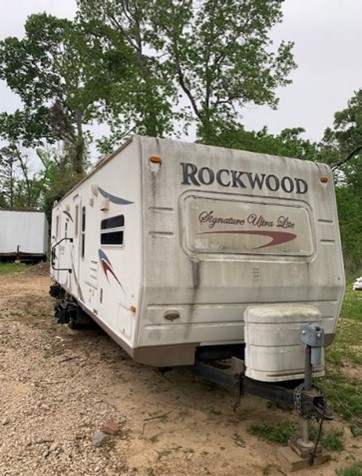
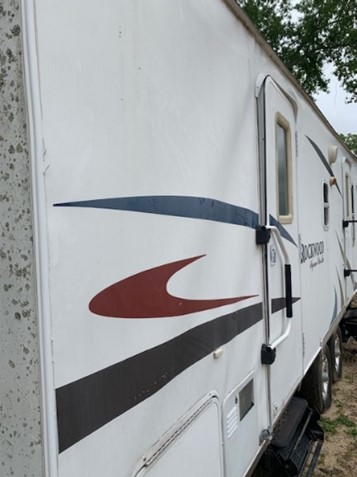
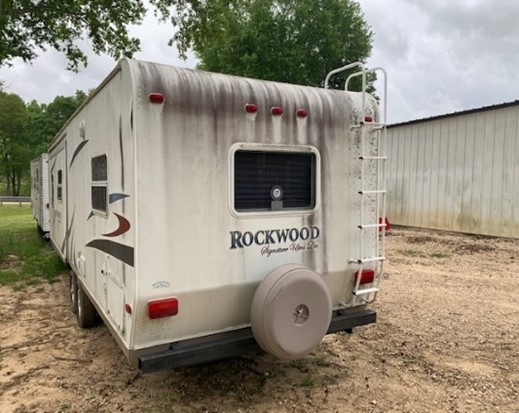
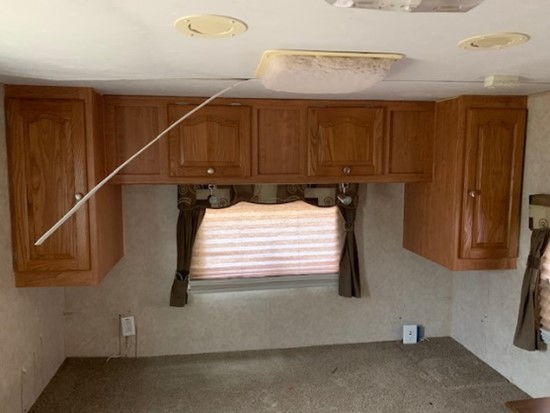
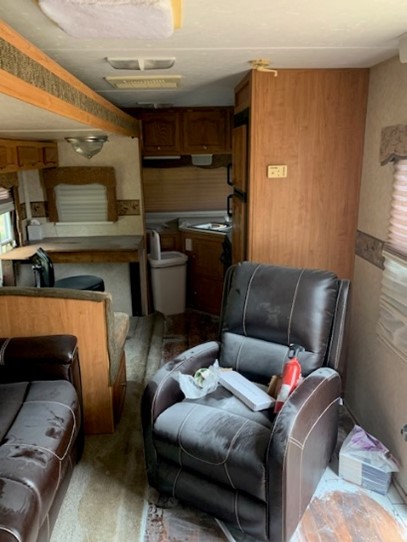
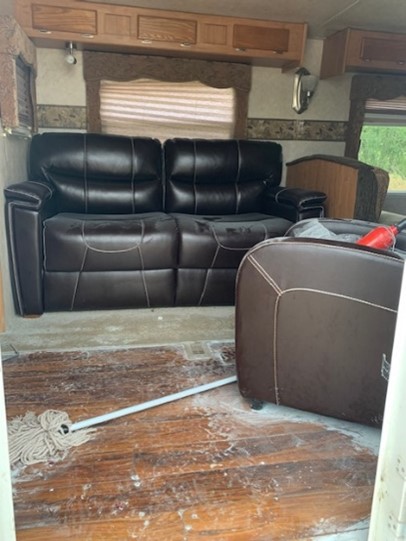
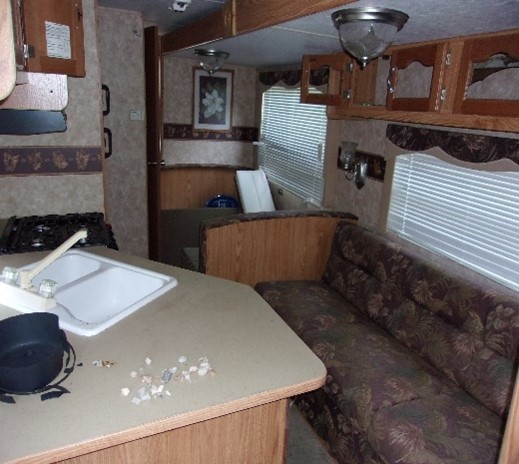
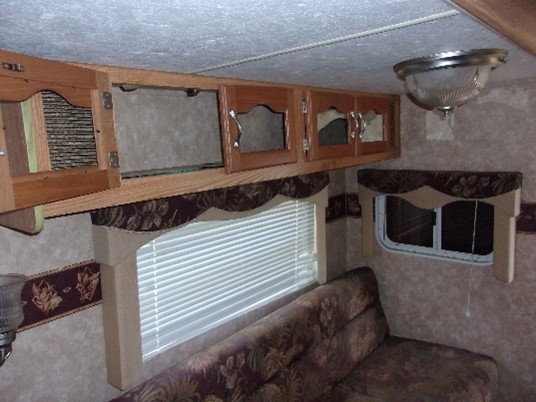
2007 Rockwood Travel Trailer
Model M-8315SS
Minimum Bid $5000.00

The tribe is not responsible for any taxes owed on the unit in order to obtain a title through DMV. It can be seen at the maintenance department on the reservation.

Slider image
Slider image
Slider image
Slider image
Slider image
Slider image
Slider image

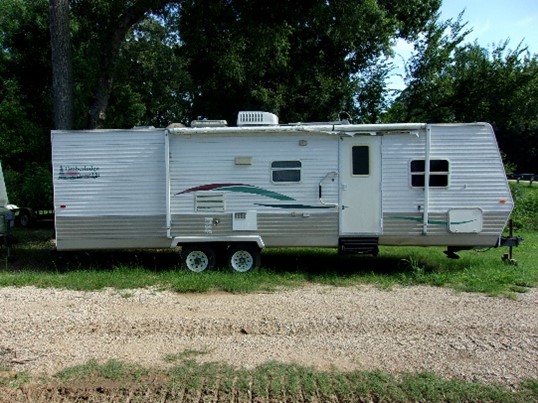
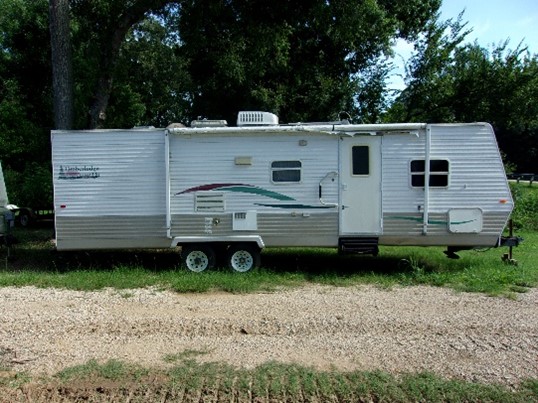
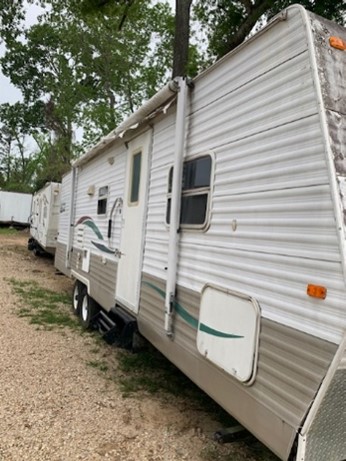
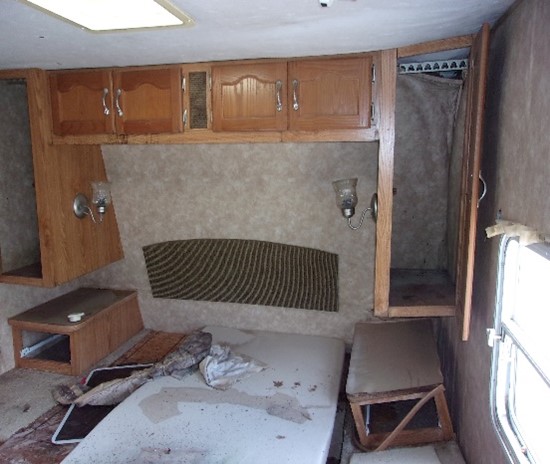
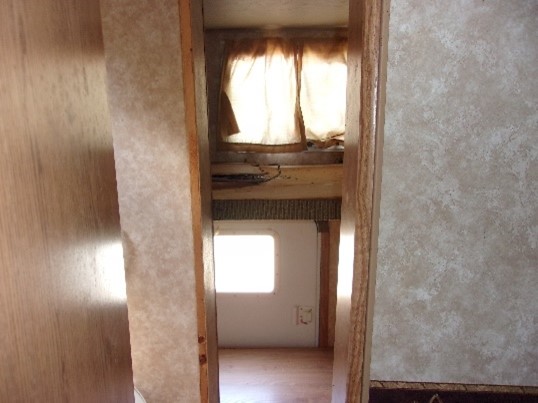
2006 Timberlodge Travel Trailer
VIN5C1TF322X6P009161
Minimum Bid $500.00

The trailer has never been titled with the Louisiana DMV so the sale will be executed with a Bill of Sale. The tribe is not responsible for any taxes owed on the unit in order to obtain a title through DMV. It can be seen at the maintenance department on the reservation.

Slider image
Slider image
Slider image
Slider image
Slider image
Slider image

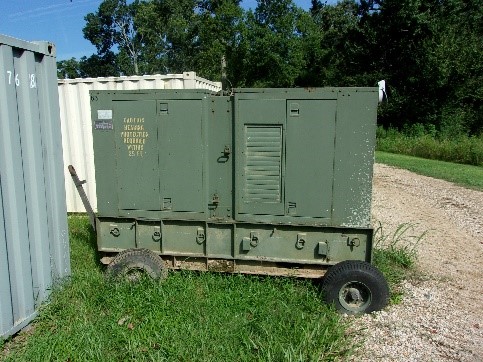
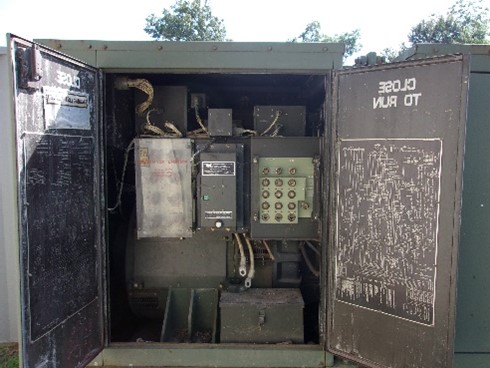
Libby Corporation Generator Set on Trailer
Model# MEP 009B
Minimum Bid $500

Slider image
Slider image
Slider image
Slider image
Slider image
Slider image
Slider image

All items are “as is” sales. There are no warranties, written or implied.


Sealed bids can be dropped off Monday thru Friday by calling Byron Rachal @ (318) 264-1362.

Sealed bids can also be mailed to:
Tunica Biloxi Tribe of Louisiana
Attn: Byron Rachal
P.O. Box 1589
Marksville, LA 71351

All bids must be received by Friday, September 16, 2022, before 4:30 pm.

Message from the Tribal Council: State of Heath Within the Native American Community

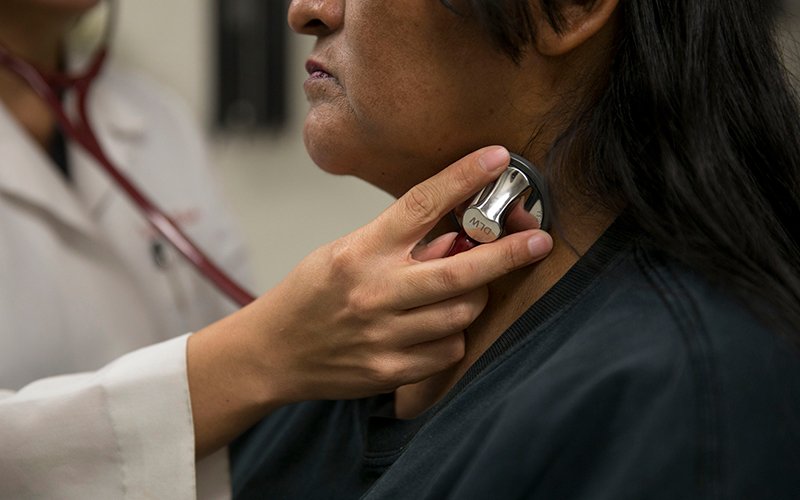
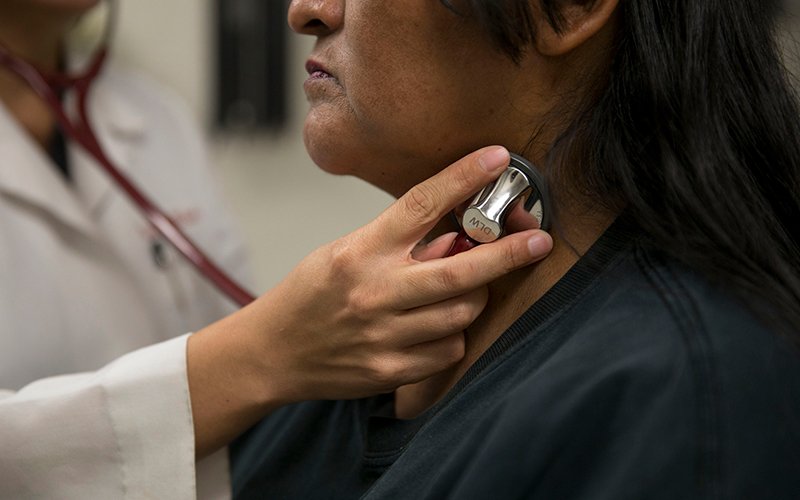
It’s come to the Tribal Council’s attention that a recent national report says the life expectancy rates for Americans is on the decline. Native American populations had the greatest decrease in that report, with our average life expectancy now standing at age 65, nine years less than those for the total American population. This is troubling news indeed, but unfortunately comes as no surprise.  

It is a well-established fact that Native Americans are marginalized in many aspects, especially when it comes to healthcare. Historically, Native Americans have long experienced a different healthcare reality and overall health outcomes when compared to other Americans. Typically, these outcomes are adversely impacted by system-wide inadequate access to comprehensive health management and preventative care services. Given the higher health status enjoyed by most Americans, the lingering health disparities experienced by Native Americans, including members of the Tunica-Biloxi Tribe of Louisiana, are troubling – especially those that impact our most vulnerable populations, our Tribal Elders and our Tribal Youth.

The health and wellbeing of our citizens has always been the top priority of Tunica-Biloxi leadership, especially as we continue to navigate the global pandemic. We have taken several steps to address immediate issues while building the foundation for long-term, permanent solutions. I want to encourage our Tribal citizens to remember that true health begins at home – with healthy living decisions and diet. Additionally, the importance of tending to our mental health cannot be overstated.

As you may know, Tribal leadership has compiled extensive programming to support our citizens and their families under the direction of the Indian Health Services, including behavioral healthcare services, immunizations, dental care, elder care and more. We have also established a full-service medical clinic that offers a wide range of clinical services such as physical examinations, laboratory testing, medical management, blood pressure and diabetic treatment. Our hope is to take a holistic approach to meet and exceed the healthcare needs of our tribal citizens and families.

Our population has long been exposed to trials and tribulations that can make it difficult to maintain a healthy and stress-free life. Still, I encourage our community to embrace smart decisions that return to Mother Earth and utilize her natural means for healthy living while developing coping mechanisms to help deal with day-to-day stresses. It’s important for Native Americans to continue to connect to the natural world and to embrace their true purpose in the Earthly Kingdom.

For more information on our healthcare services, contact Cameron Chase, Director of the Health Department, at cchase@tunica.org or at (318) 240-6437.